
Garage Door Focus
The service is focused specifically on garage doors and their operating hardware.
Local garage door service · Renton, WA
Garage door repair and installation for Renton homes built mostly between 1962 and 2005, covering commercial garage doors, emergency service, off-track repair, roller replacement, spring repair, and the mixed-generation systems common across the area's 1980s- and 90s-heavy housing stock.
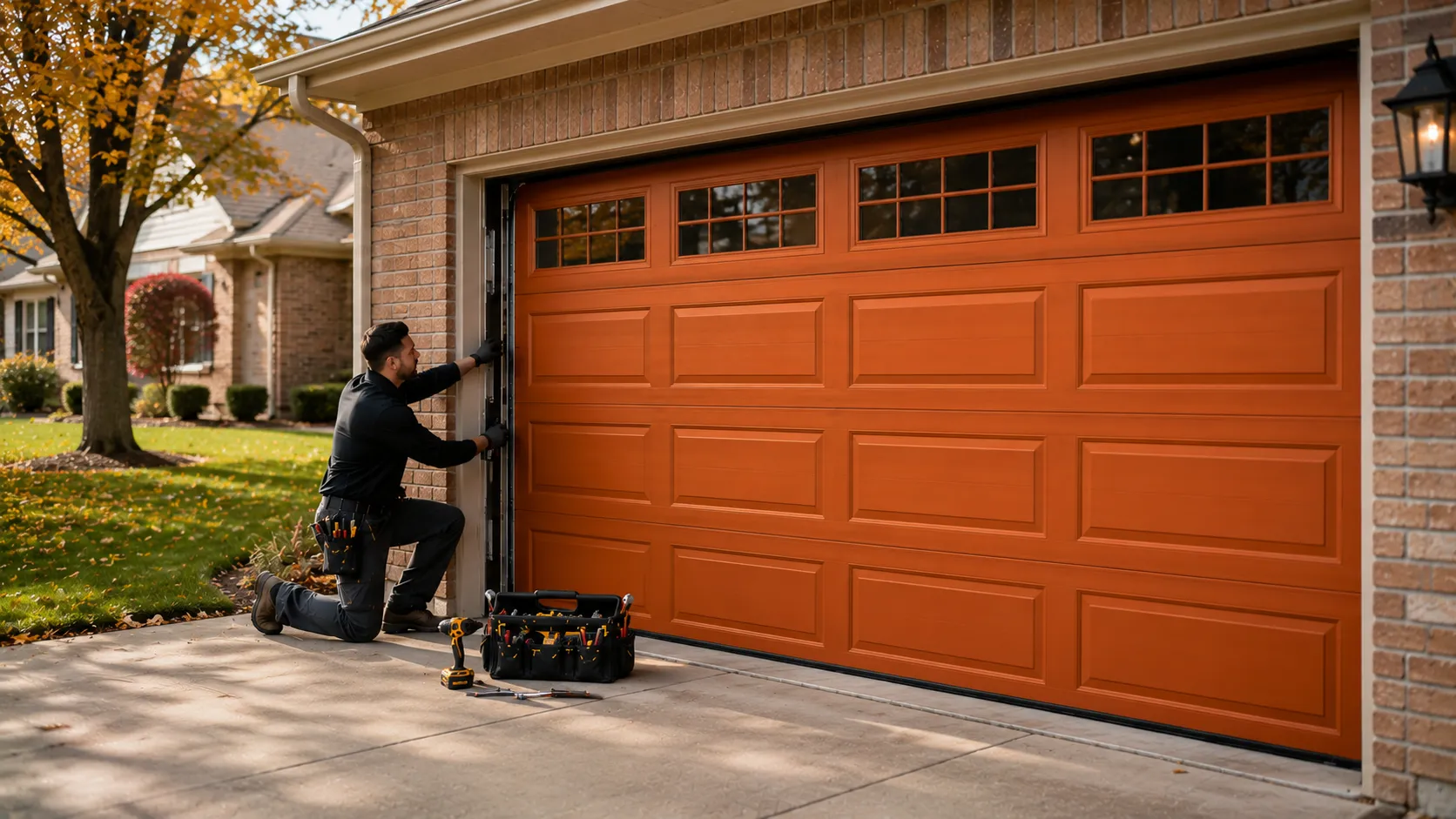
Garage door services
From commercial garage doors and emergency repair to installation, off-track service, roller replacement, spring repair, and general garage door work, the lineup is built around the systems common across Renton's mixed-age housing stock.
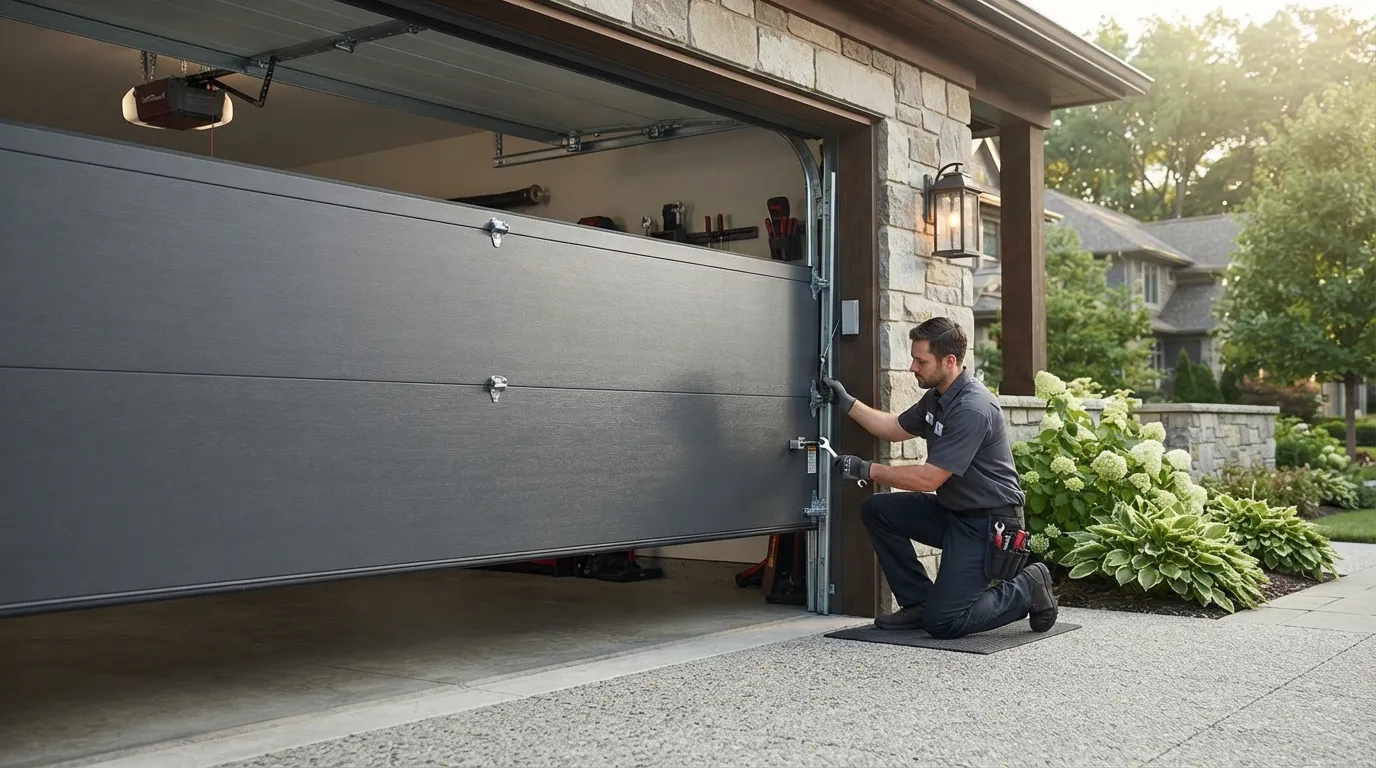
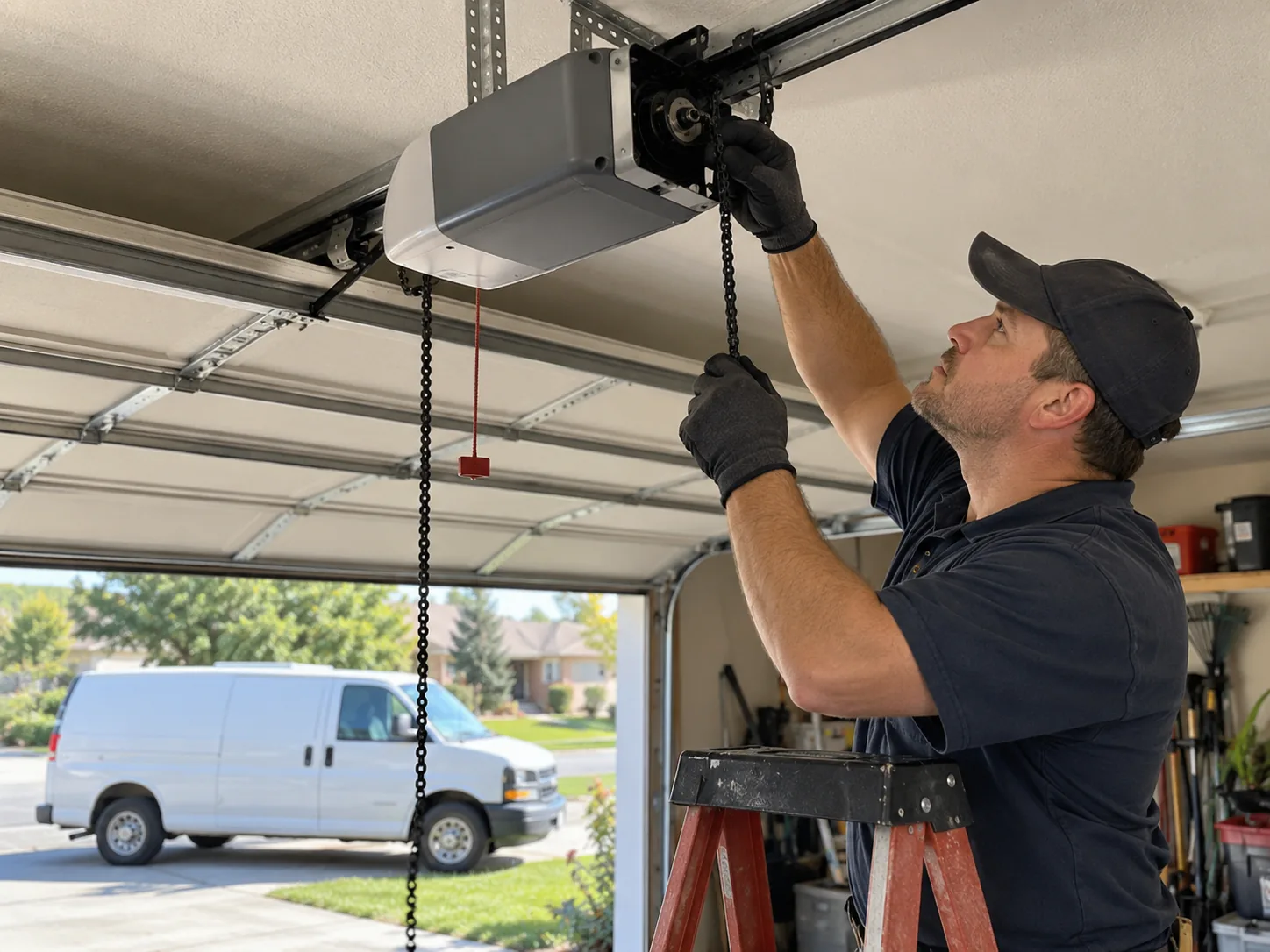
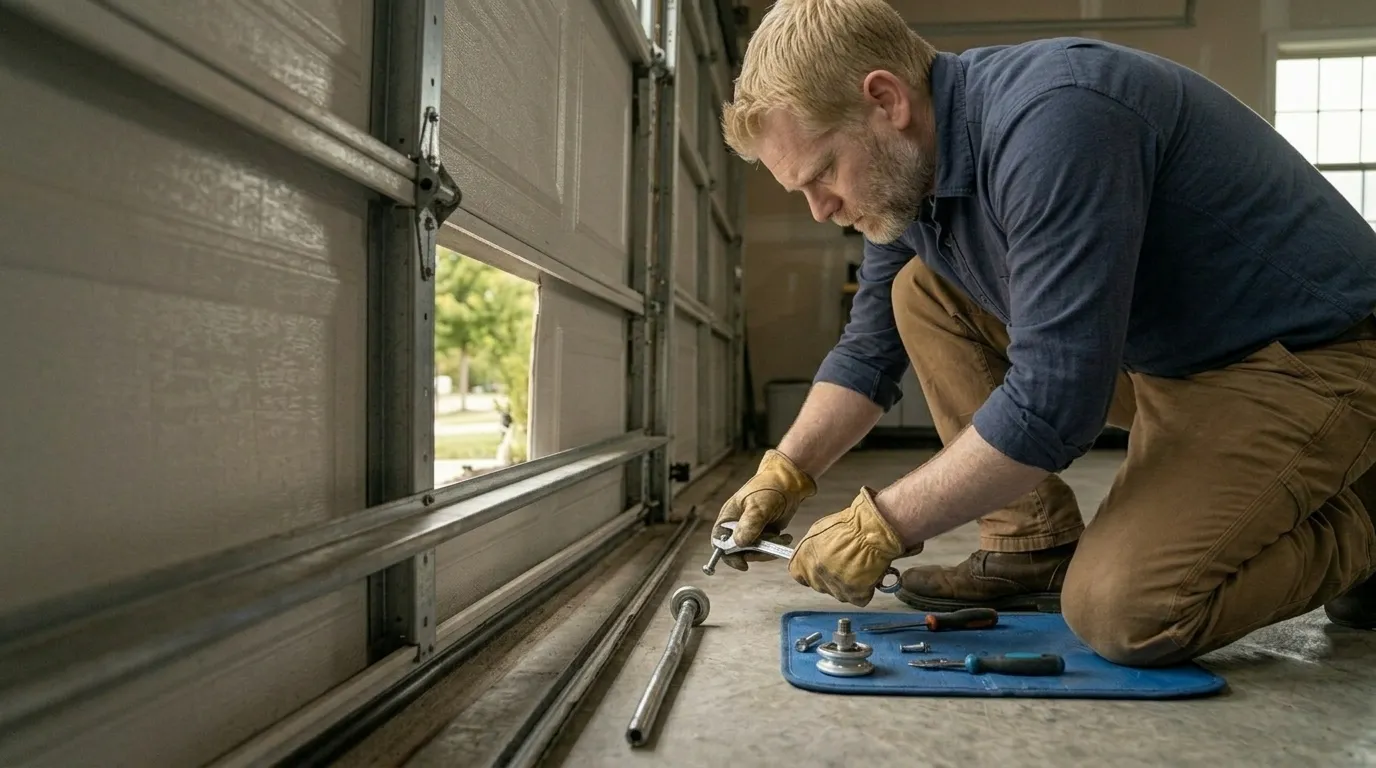
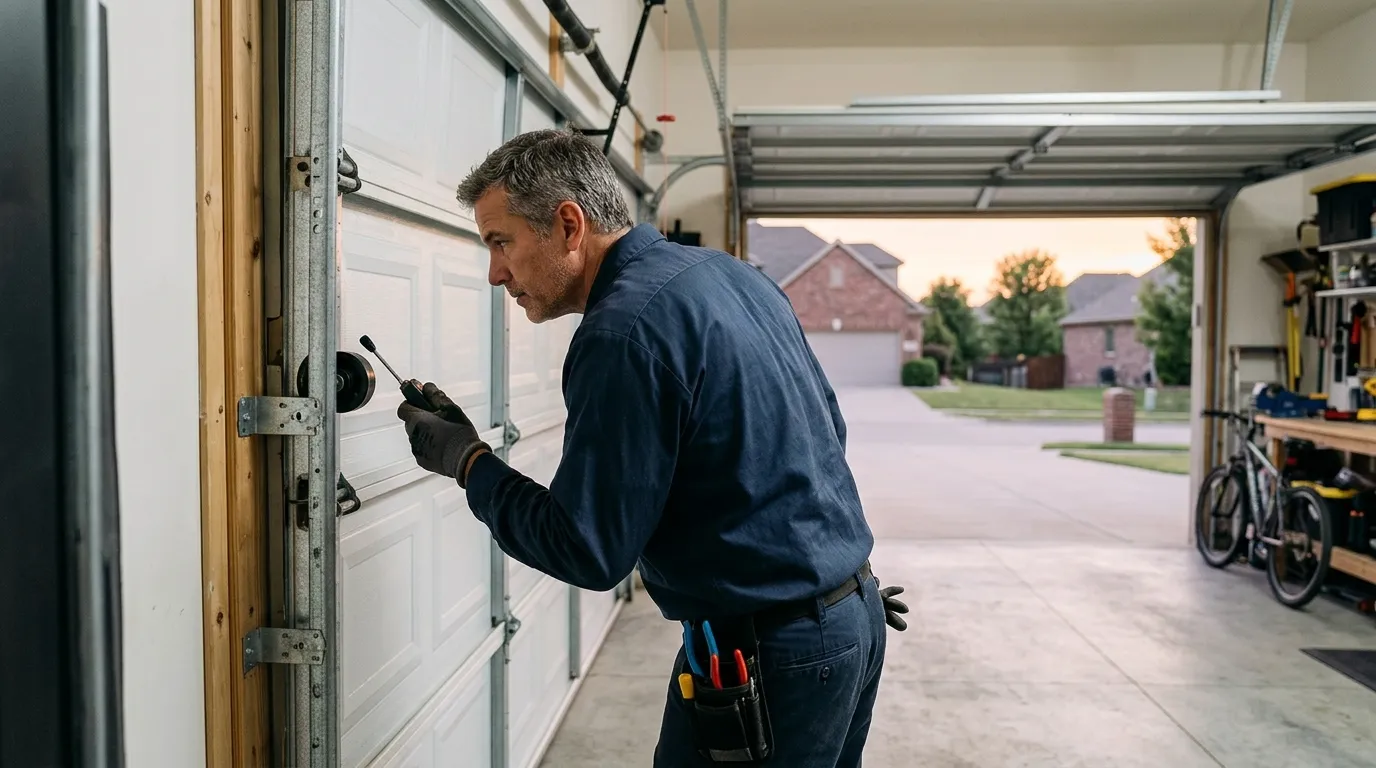
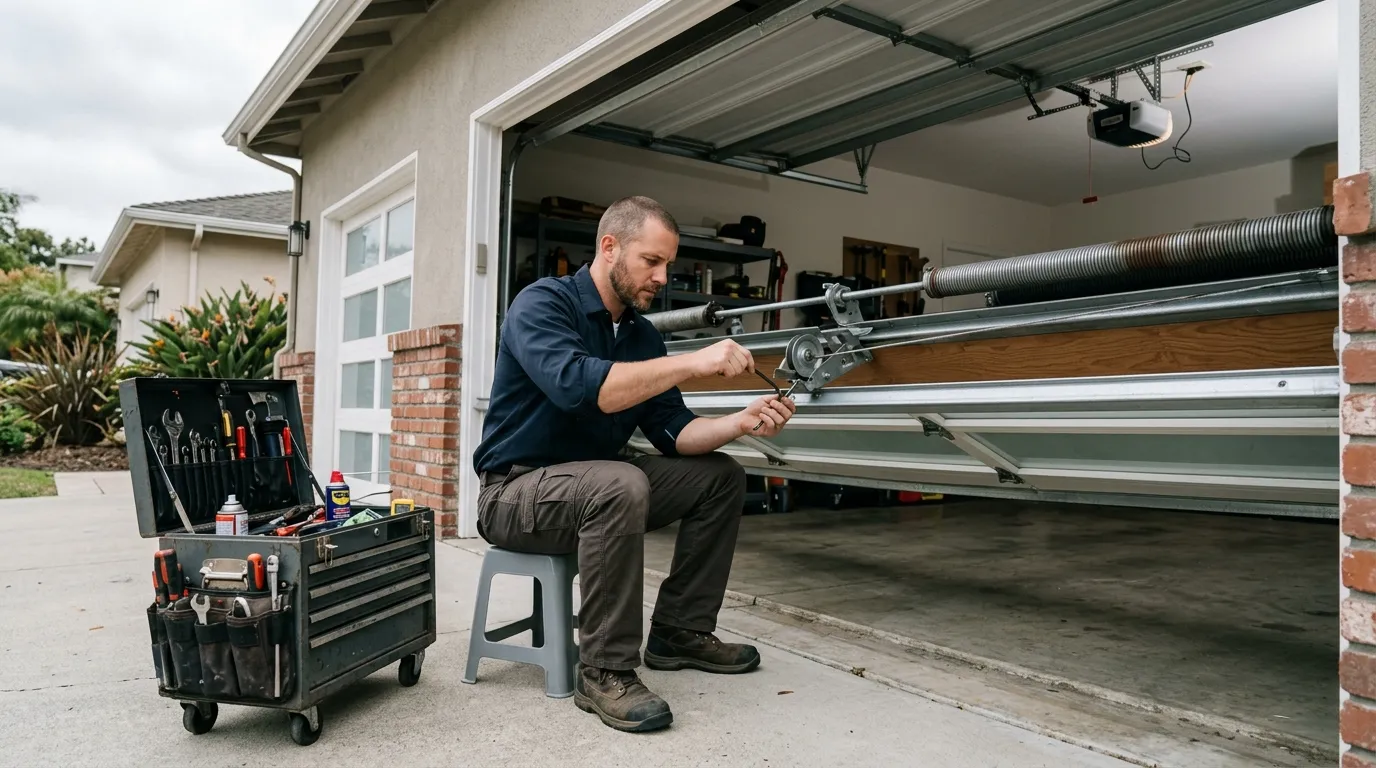
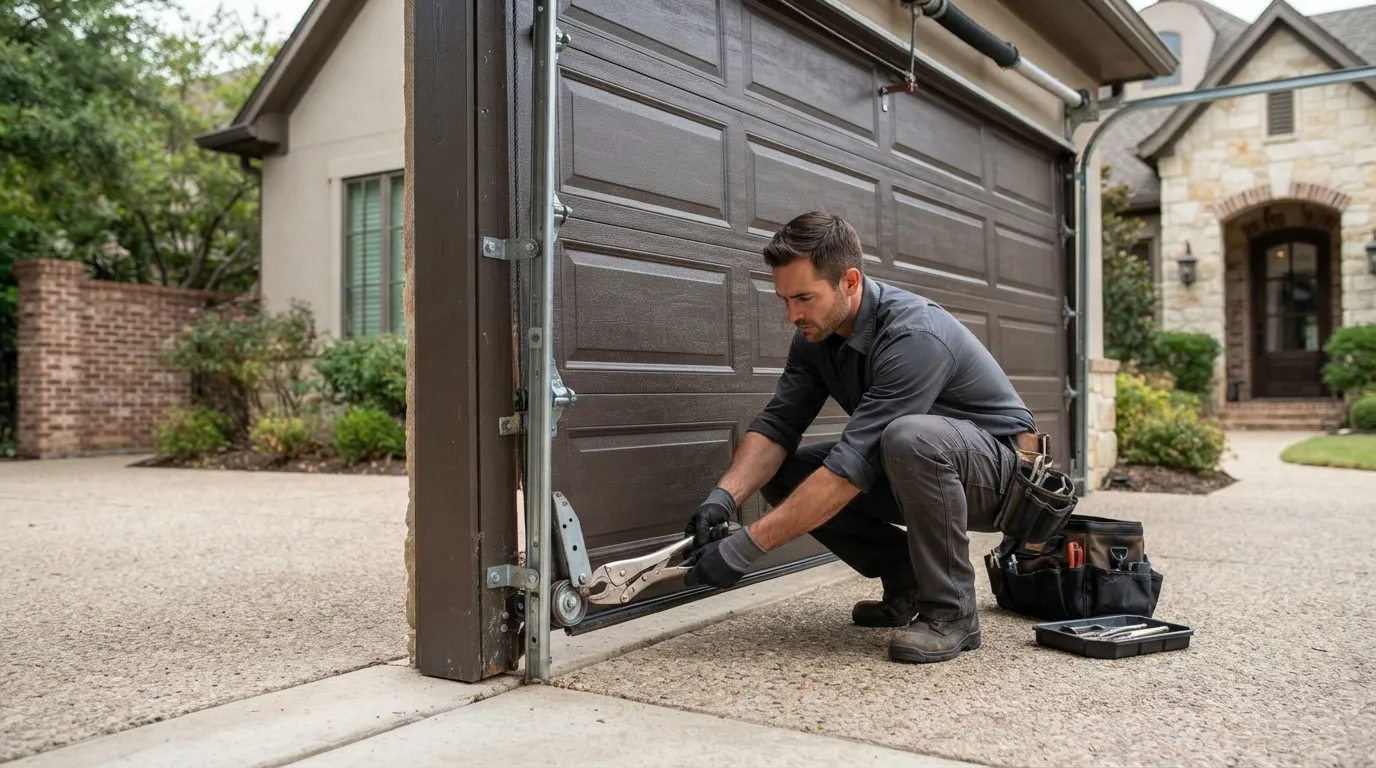
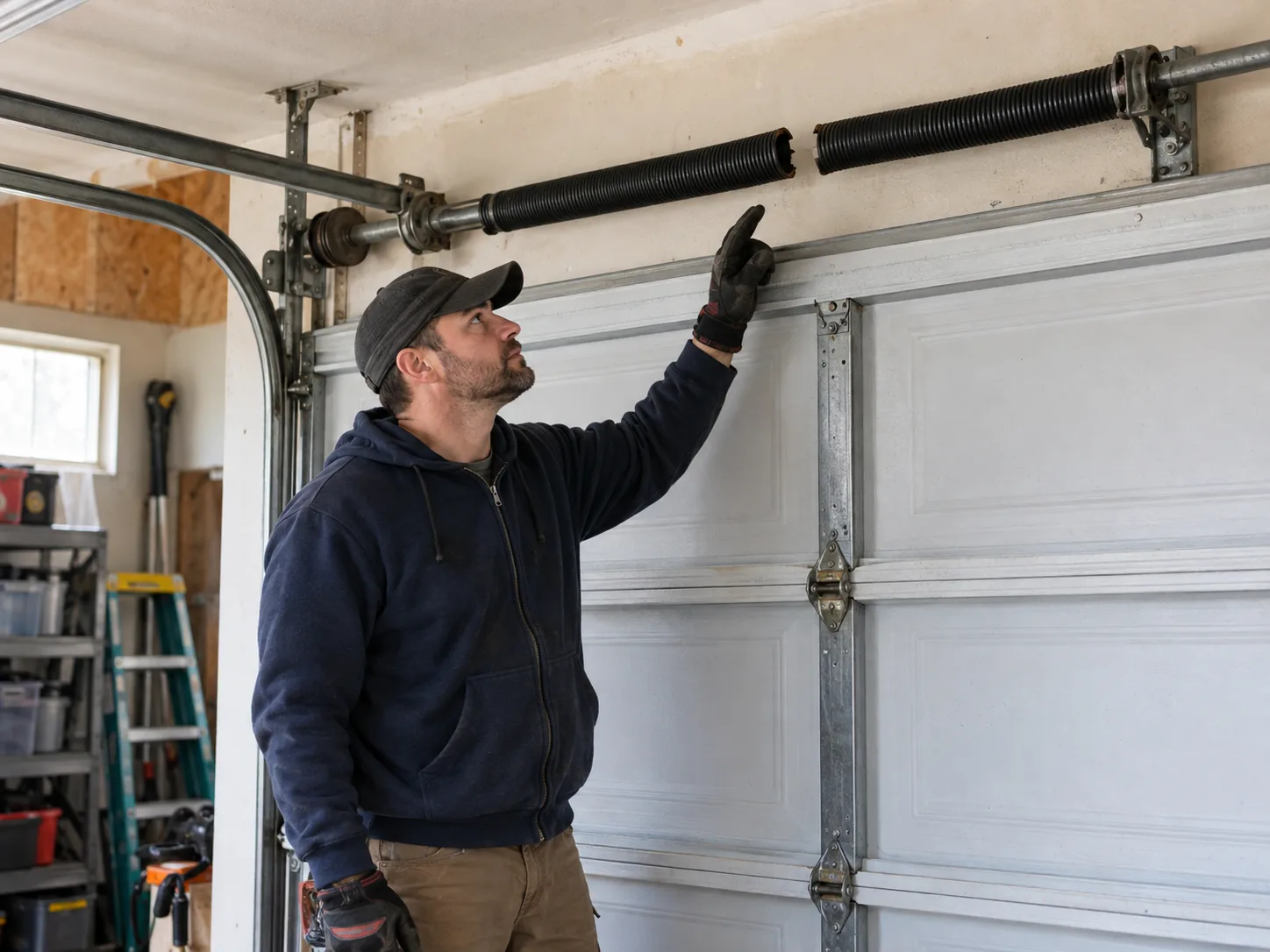
Clear repair guidance
There isn't one flat repair price, because spring work, cable repair, off-track service, roller replacement, commercial service, and complete door installation involve different parts and labor.
Door age, spring configuration, cable condition, roller wear, track alignment, opener condition, and parts availability can all change the scope.
Median household income across the broader service area runs around $131,283, but the price still comes from the door in front of us.
We inspect the actual door, opener, and tracks before recommending repair or replacement.
Older discontinued opener boards or logic units may require special ordering rather than being immediately available.
Focused garage door service
This is a garage-door-focused service rather than a general handyman operation, with work centered on doors, openers, springs, tracks, panels, cables, and related hardware.
The service is focused specifically on garage doors and their operating hardware.
A problem is evaluated across the springs, cables, rollers, tracks, opener, and panels rather than by replacing the first noisy part.
The local housing range includes older single-panel doors as well as newer sectional systems.
We avoid unsupported claims about years in business, truck count, or other credentials that weren't provided.
Common Renton garage door problems
Worn springs, aging openers, roller wear, cable problems, and track issues make up much of the work across Renton's 1980s- and 90s-heavy housing stock. Many local doors use torsion hardware common to homes built during the 1980s and 90s, and those springs eventually reach the end of their useful cycle life after decades of regular operation; older chain-drive openers develop motor, gear, logic-board, or control problems while the surrounding door remains serviceable; rollers wear gradually from age, and cables fray near the drum after years of repeated lifting — so the correct repair depends on inspecting the complete system rather than assuming every symptom comes from the opener or spring alone.
Garage door springs eventually reach the end of their useful cycle life after years of repeated opening and closing.
Older opener motors, gears, logic boards, controls, and drive components can eventually develop operating problems.
Older rollers can become noisy, rough, damaged, or resistant after years of regular track travel.
Cables can fray, loosen, slip, or fail after years of carrying repeated lifting loads.
Cable problems, roller wear, impact, or loosened hardware can leave a garage door shifted or unable to travel correctly.
Local housing matters
The broader source service area spans homes built between 1962 and 2005, with a median build year around 1984 and much of the housing concentrated in the 1980s and 90s.
That creates a large number of garages with torsion systems, steel tracks, sectional doors, chain-drive openers, rollers, cables, and replacement hardware from several generations.
The source references approximately 213,261 households across the broader area, including about 118,318 owner-occupied houses.
Earlier homes can still use older single-panel doors and legacy torsion arrangements, while later homes are more likely to have updated sectional doors and newer opener technology.
The build year provides useful context, but the correct repair depends on the hardware actually installed today.
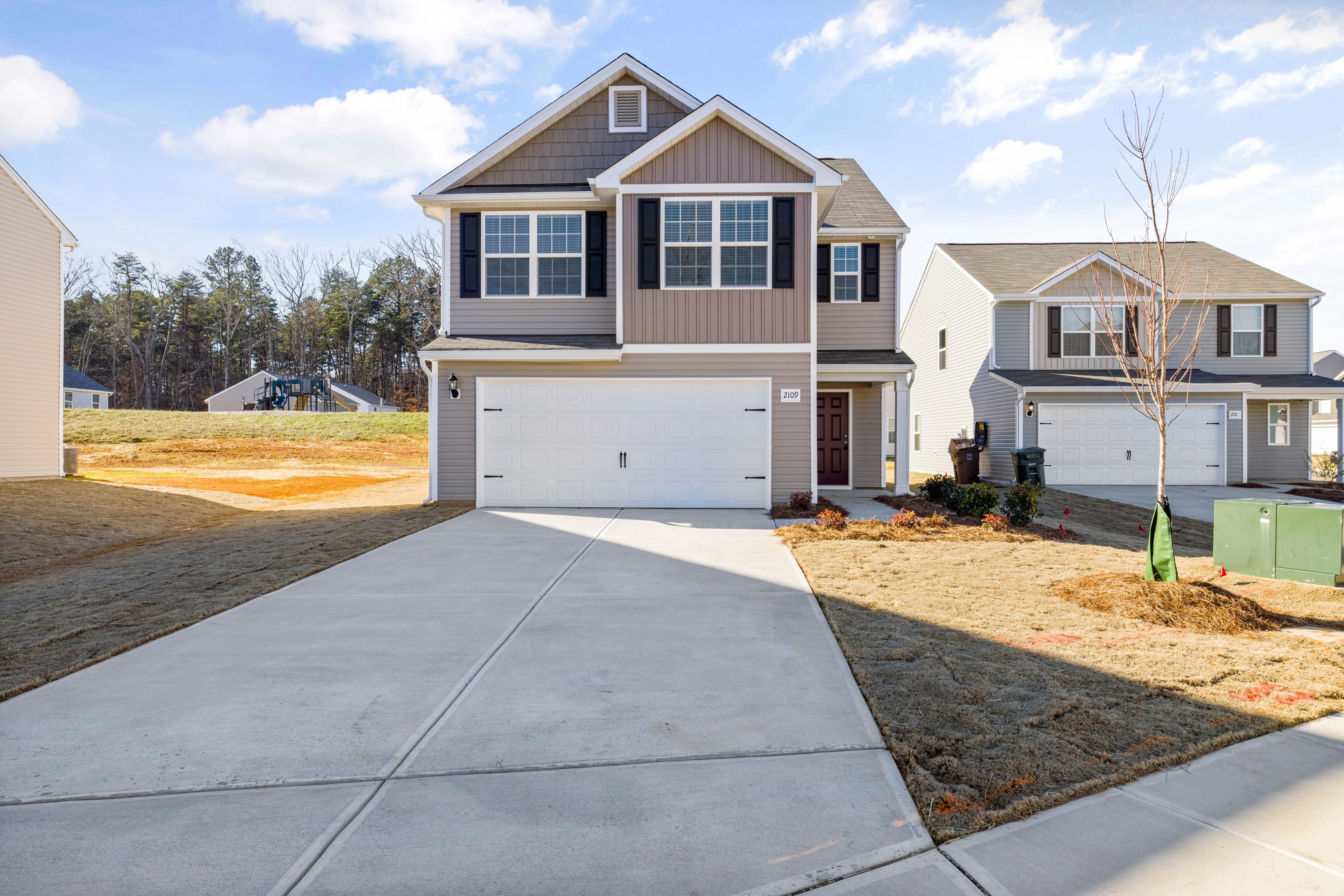
1980s–90s garage door systems
Homes concentrated around the 1980s and 90s can combine older torsion hardware, steel tracks, aging chain-drive openers, replacement panels, and several generations of repair work.
Torsion hardware is common across the area's older garage door stock, so most spring work follows a familiar pattern once the door is measured.
Some earlier homes can still retain single-piece garage doors and older operating hardware.
A garage may have a newer opener while retaining older springs, cables, rollers, tracks, or door panels.
Past repairs and remodels can leave several generations of components working together on the same garage door.
Local garage door wear
The local climate is mild with only occasional freezes, so most wear comes from component age, moisture exposure, regular cycling, lubrication, and balance rather than severe winter conditions being the primary source of failure.
Repeated opening and closing remains the main source of long-term spring fatigue on local doors.
Rollers can gradually wear and begin moving roughly or binding after years of regular use.
Cables can develop fraying or wear near drums and other repeated-load points over long service lives.
An opener can work harder when springs, rollers, tracks, or balance problems are already making the door difficult to move.
Repair or replace?
An older garage door is not automatically a replacement candidate. Repair remains practical when the structure is sound and the failure is isolated, while replacement becomes more sensible when panels, tracks, or several major components are deteriorating together.
A targeted repair can make sense when the panels, tracks, opener, cables, and surrounding structure remain serviceable.
An older door can remain worth keeping when the structure and surrounding hardware still operate reliably.
Replacement becomes more practical when an older door has already required several repairs and multiple major components are deteriorating.
If panels or tracks can no longer hold reliable alignment, broader replacement can offer better long-term value than another patch.
What to expect
We start with what the door is actually doing, use the symptoms to point toward the likely cause, inspect the complete system rather than the noisiest part, and explain repair versus replacement before work begins.
Tell us whether the door won't open, stops partway, made a loud bang, or the opener runs without moving it. That symptom is the starting point.
The symptoms help point toward a spring, cable, roller, track, opener, or sensor problem before the on-site inspection.
We check springs, cables, rollers, track alignment, the opener, and safety sensors rather than replacing whichever part is making noise.
The findings and repair scope are explained before work begins, including when an older door has reached the point where replacement makes more sense.
Older Opener Electronics May Need Ordering
Discontinued opener control boards and logic units can require special ordering rather than being immediately available.
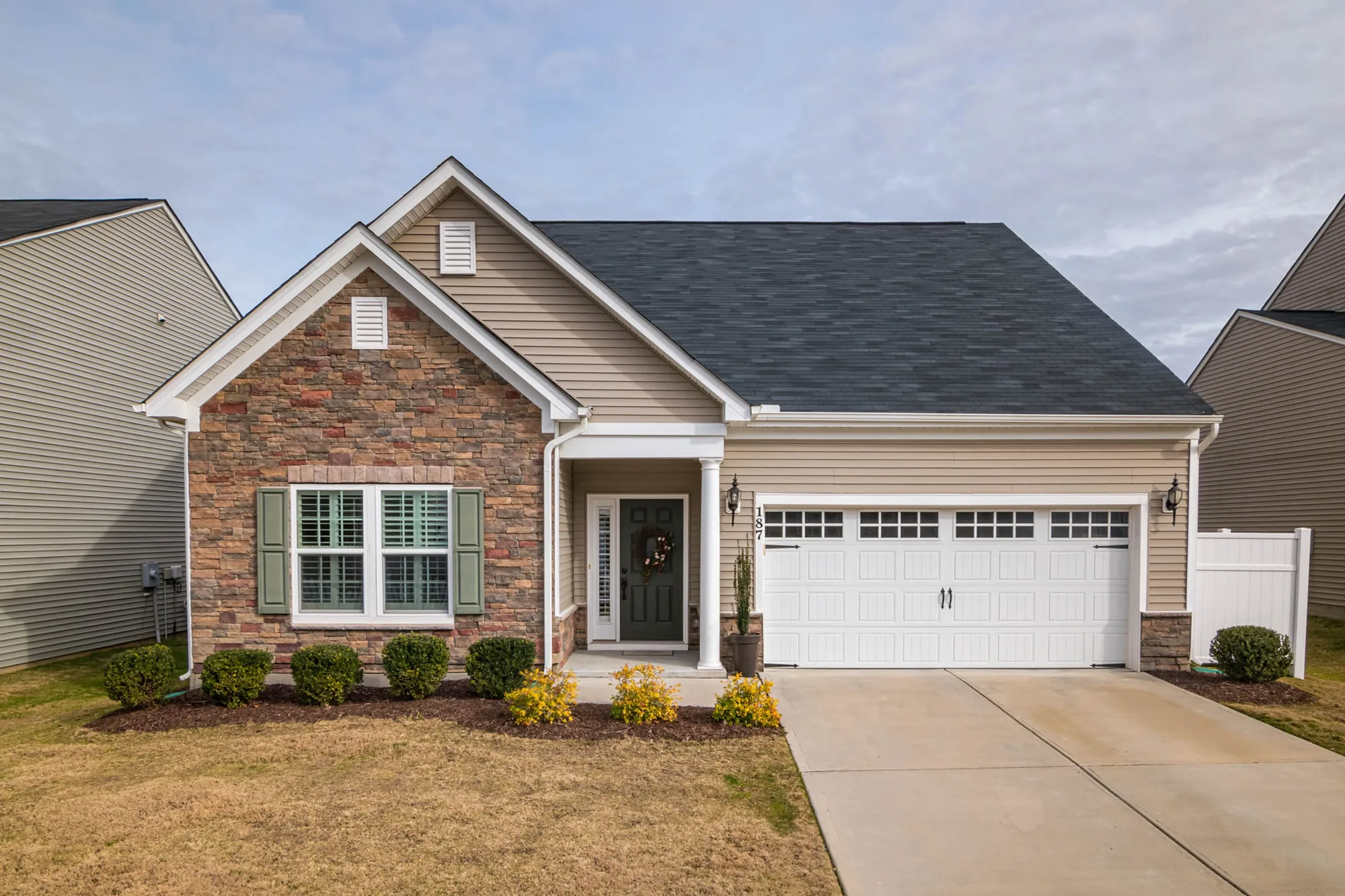
Service areas
Questions
Yes. A lot of the housing here was built between 1962 and 2005, and plenty of those original doors are still in service. We carry the knowledge to work on older torsion setups and single-piece doors, not just current sectional models.
Torsion springs are rated for a set number of open-close cycles, and most just wear out gradually until the last cycle snaps the coil. It's rarely sudden damage - it's fatigue built up over years, which is common in doors from the 1980s and 90s stock that makes up a lot of this area.
Our coverage extends into nearby communities including Bryn Mawr-Skyway, Fairwood, and Newcastle, among others in the service area. Call and tell us your location and we'll confirm whether it's in range.
Sometimes, yes. If an older door has had several repairs already and the panels or track are worn beyond a clean fix, we'll tell you replacement is the better spend rather than billing you for another patch.
Ready when you are
Tell us what the door is doing and we'll help you figure out whether you're dealing with a spring, roller, track, off-track door, emergency problem, installation need, or an older system that's reached the point where replacement makes more sense.