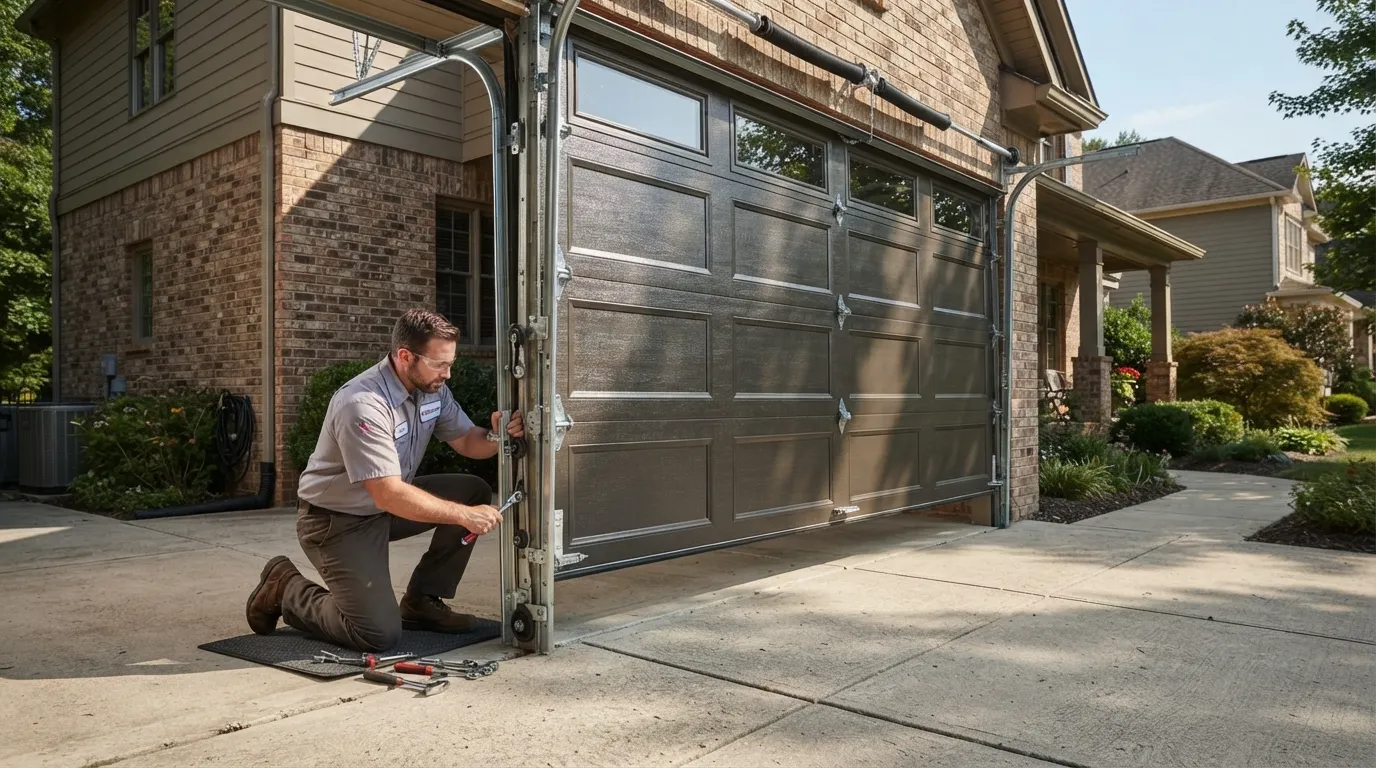
Seatac, Renton

Garage Door Repair for SeaTac's 1970s-Era Doors

SeaTac's garage doors mostly date to the early 1970s: steel, uninsulated, often on worn extension springs. We drive in from Renton to fix them.

Garage Door Repair for SeaTac's 1970s-Era Doors in Renton
Serving Renton, WABackground-checked techsHonest, upfront pricingFast local response

Watch-outs

What Can Go Wrong

Most garage doors in SeaTac went up around 1971, well ahead of the 1980s-and-90s wave that covers most of this company's territory. That earlier build era means a specific kind of door: single-layer steel, no foam core, often 16 feet wide on a double bay or two 9-foot singles, hung on hardware that was standard before torsion springs became the default in new construction.

Extension springs fail differently

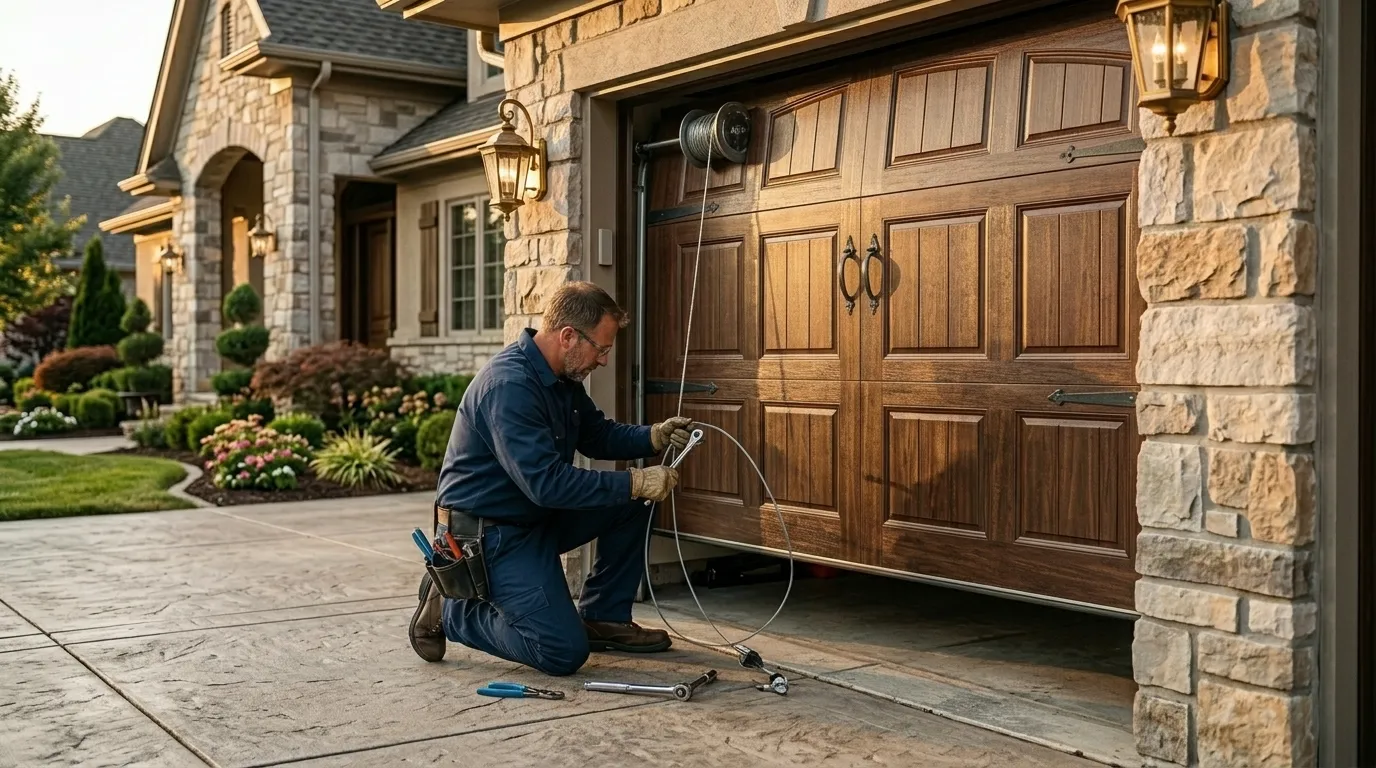
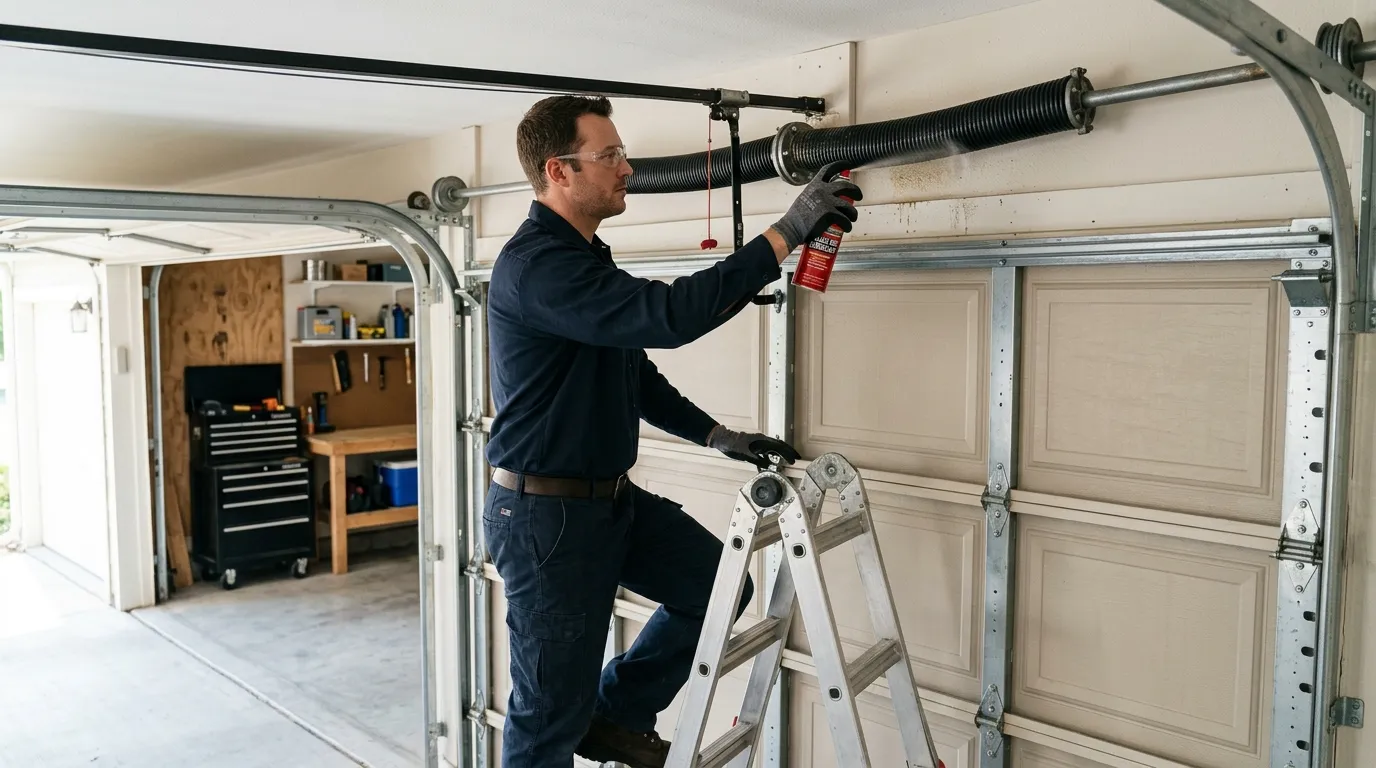
A lot of these doors still run on extension springs mounted along the horizontal track instead of a torsion bar over the header. What fails on a door like this isn't always what fails on a newer one. Extension spring cables fray and jump the pulley.

Worn pulleys bind progressively

The pulley itself, if it's the original stamped-steel kind, wears an oval groove and starts binding. Steel panels this age have had five decades to dent, and a bent bottom panel on a non-insulated door throws the whole roller alignment off in a way a foam-backed panel doesn't.

Rust eats delaminating panels

We also see a fair number of original wood-look steel doors with rot starting at the bottom weatherseal channel, since that panel took the brunt of five decades of ground moisture.

DIY or pro

The DIY Question

An extension spring under tension can put someone in the ER faster than a torsion spring, because the cable and spring are both exposed and both moving when they let go. If a cable has already jumped the track or a spring has separated, that's not a homeowner repair, full stop - not because you can't turn a wrench, but because the failure mode on old extension hardware is a whip, not a drop.

Where DIY makes sense: tightening a loose bracket, lubricating hinges and rollers, replacing weatherstripping. Where it doesn't: anything touching a spring, cable, or the pulley system, and anything on a door old enough that the parts aren't labeled the way current hardware is. If you're not sure which side of that line you're on, that uncertainty is itself the answer - call it in.

The DIY Question

Booking

Booking a Visit

This company runs out of Renton, about five miles north, and covers SeaTac as part of its service territory rather than keeping a branch here.

Renton dispatch required

That means a call gets a truck dispatched from Renton, not a crew already parked nearby - worth knowing if you're comparing us to someone who claims a local yard. We don't have a posted response window for SeaTac specifically, so ask when you call rather than assume.

Spring type verification

When you book, tell us the door's approximate age and whether it's on extension springs (visible along the horizontal tracks) or a torsion spring (a single spring on a bar above the door). That one detail changes which parts we bring on the truck and can save a second trip.

The Symptom

Symptoms

The Symptom

The complaint we hear most from this stretch of SeaTac is a door that shudders or drops unevenly partway through the cycle, usually described as "it jerks on one side" or "it sounds different than it used to." On a door built around 1971 with original extension hardware, that's almost always one of three things: a stretched or frayed cable losing tension before its partner does, a worn pulley letting the cable ride off-center, or a bottom bracket that's rusted enough to flex under load.

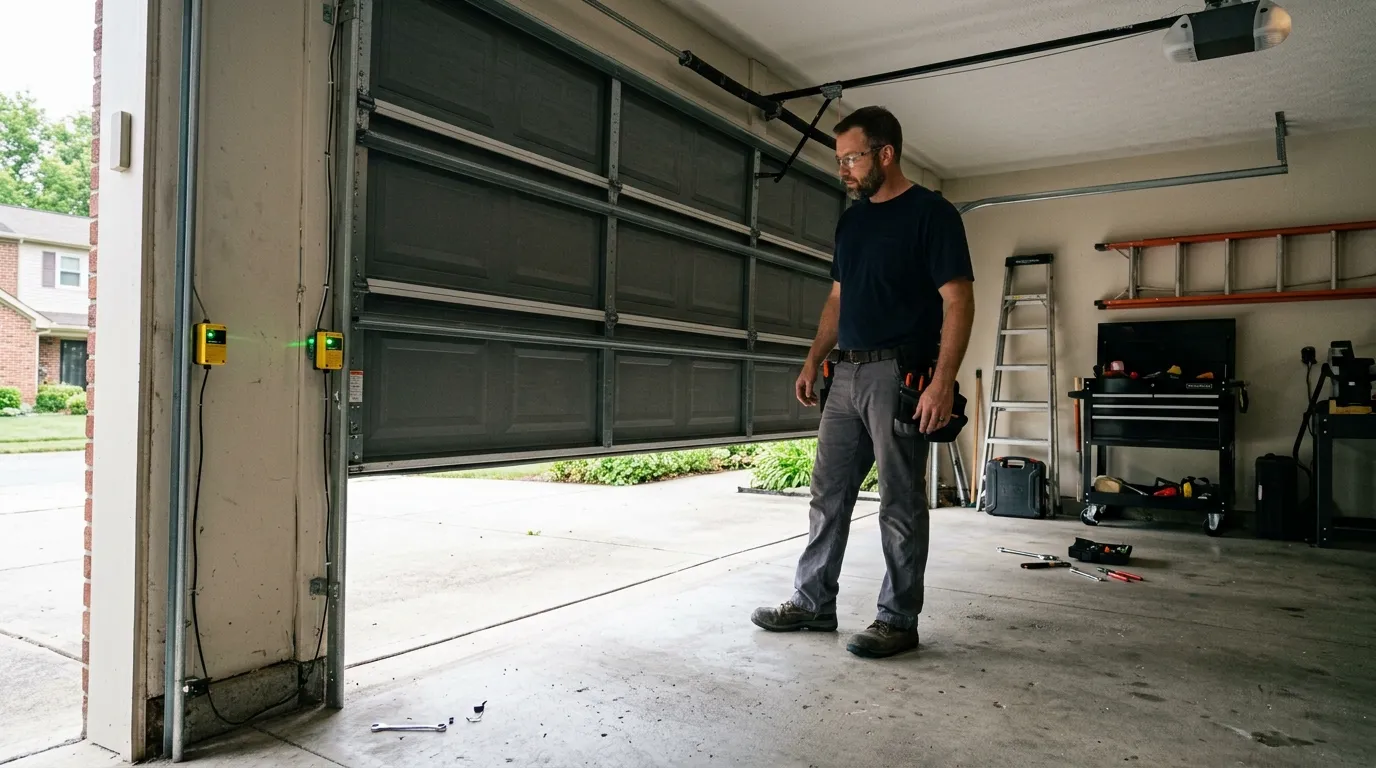
A second common one: the door reverses immediately after touching the floor. On doors this old, that's rarely a modern safety-sensor issue since many were retrofitted with sensors later; it's more often a spring imbalance making the opener think it's hit an obstruction. We check spring tension before we touch the opener logic, because replacing an opener board on an imbalanced door just moves the symptom, it doesn't fix it.

On the truck

Parts We Carry

For doors from this era we stock extension springs in the common weight ranges, replacement cables and pulleys sized for older track systems, and steel hinges and rollers that match the bolt spacing used before current standard hardware.

Weatherstripping deterioration priority

We carry weatherstripping and bottom seal channel for non-insulated steel panels, since that's the piece that rots first on a door with no foam backing. One honest limit: original decorative hardware and some obsolete track brackets from this build era aren't something we keep on the truck, and a few of them aren't manufactured anymore at all.

Discontinued bracket availability

If your door needs an exact match to a discontinued bracket, we'll tell you that up front rather than have you wait on a special order that may not exist, and we'll talk through whether a compatible modern part or a full section replacement makes more sense.

Why It Happens Here

Local causes

Why It Happens Here

SeaTac counts around 11,772 households, a small piece of the 213,261 households across this company's full service territory, and the housing here skews older than the broader mix - most of the wider territory's stock dates from the 1980s and 90s, while SeaTac's median build year sits closer to 1971. That decade-plus gap is why the failures we see here lean toward original extension-spring hardware rather than the torsion systems more common on newer builds elsewhere in the territory.

Median household income in SeaTac runs around $76,517, notably below the roughly $131,283 median across the wider service area, which tends to mean more owners repairing an aging door in stages rather than replacing it outright. Climate-wise this whole area sits in a mild band with occasional freezes, not the deep-freeze cycling that kills hardware fast, but forty-plus years of damp Pacific Northwest winters still corrodes cables, pulleys, and bottom brackets on doors that have never been touched.

Questions

Common questions

Why does my SeaTac garage door use different parts than newer doors?

Most SeaTac garage doors date to around 1971, before torsion-spring systems became standard. A lot of them run on extension springs mounted along the horizontal track instead, with different cables, pulleys, and bottom brackets than what you'd find on a door built in the 1980s or later.

Do you have a branch in SeaTac?

No. We're based in Renton, about five miles north, and cover SeaTac as part of our service territory. A call gets a truck dispatched from Renton rather than one parked locally, so ask about timing when you call.

Can I replace a frayed extension spring cable myself?

We'd rather you didn't. Extension spring hardware is under tension along an exposed track, and a failed cable can whip rather than drop. If a cable's already frayed or jumped the pulley, that's a repair for someone who does this daily, not a weekend job.

Is it worth repairing a door this old or should I replace it?

Depends on the panel condition more than the age. If the steel is sound and it's a spring, cable, or roller issue, repair usually makes sense. If the bottom panel is rotted through at the seal channel or badly dented, we'll say so and talk replacement instead of patching something not worth patching.

Ready when you are

Need a garage door sorted in Renton?

Renton Garage Door Pros repairs and installs garage doors, springs and openers in Renton, WA and the surrounding area.

Call NowGet a quote