
Kenmore, Renton WA
Garage Door Service for Kenmore Homeowners
Renton Garage Door Pros drives 19 miles to Kenmore for garage door repair and installs, matched to the 1980s-90s housing stock that dominates this part of the county.
Local detail
How We Get to You
We run out of Renton, about 19 miles south of Kenmore, and we make that drive on a scheduled basis rather than keeping a truck parked nearby. That means we don't promise a same-day arrival window just because you're close to the water - we ask what's broken, figure out what parts the job needs, and tell you honestly when we can get there. For a snapped cable or a door that won't move at all, we treat that as the priority call it is. For a noisy roller or a opener that's due for a tune-up, we'll usually book you into the next run through the area. If you need something faster than we can offer, we'll say so up front instead of guessing.
Working from Renton also means we're not learning your neighborhood's housing stock on the fly. The 1980s-and-90s build wave that shaped Kenmore is the same wave that shaped a lot of what we already service, so the springs, tracks, and openers we're pulling off trucks match what's actually on your garage.
The area
The Houses Here
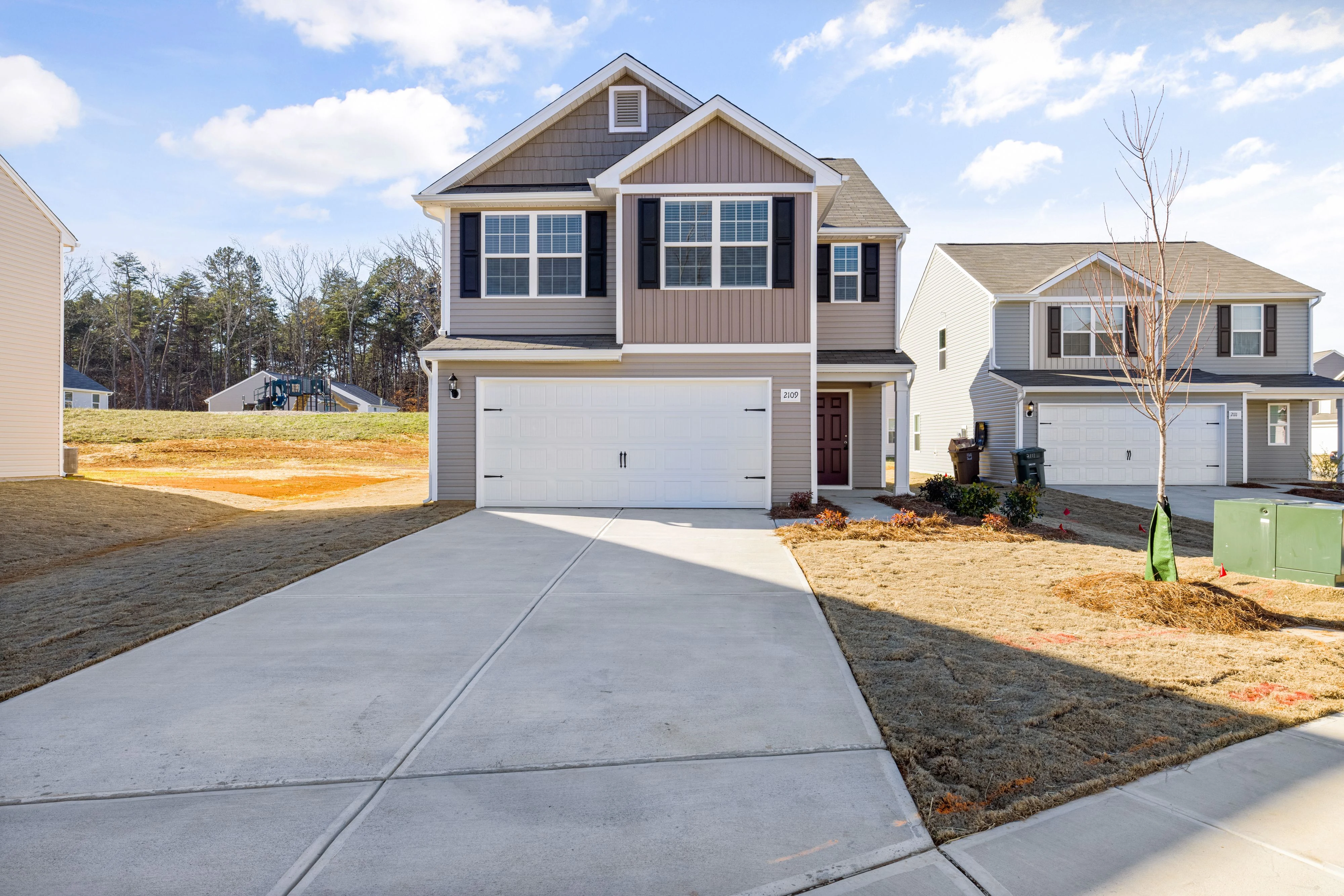
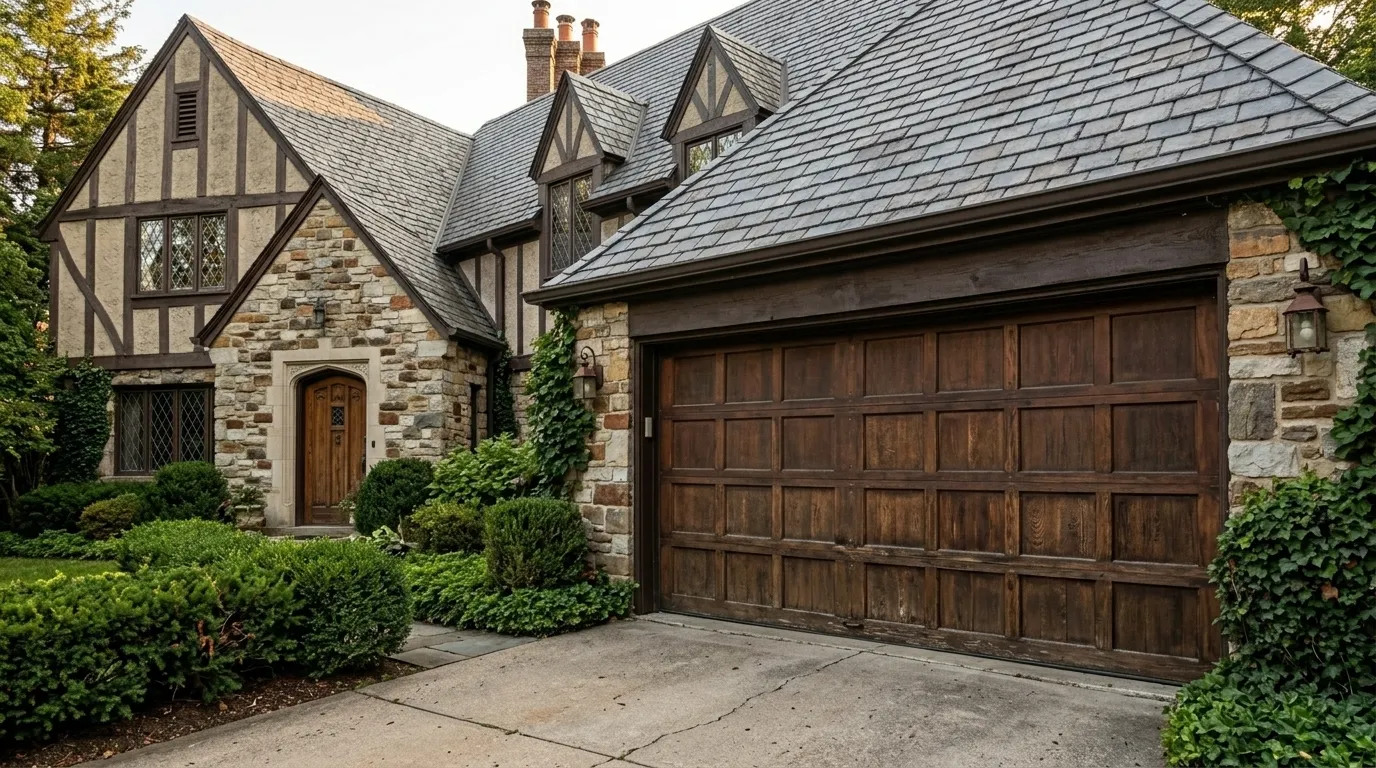
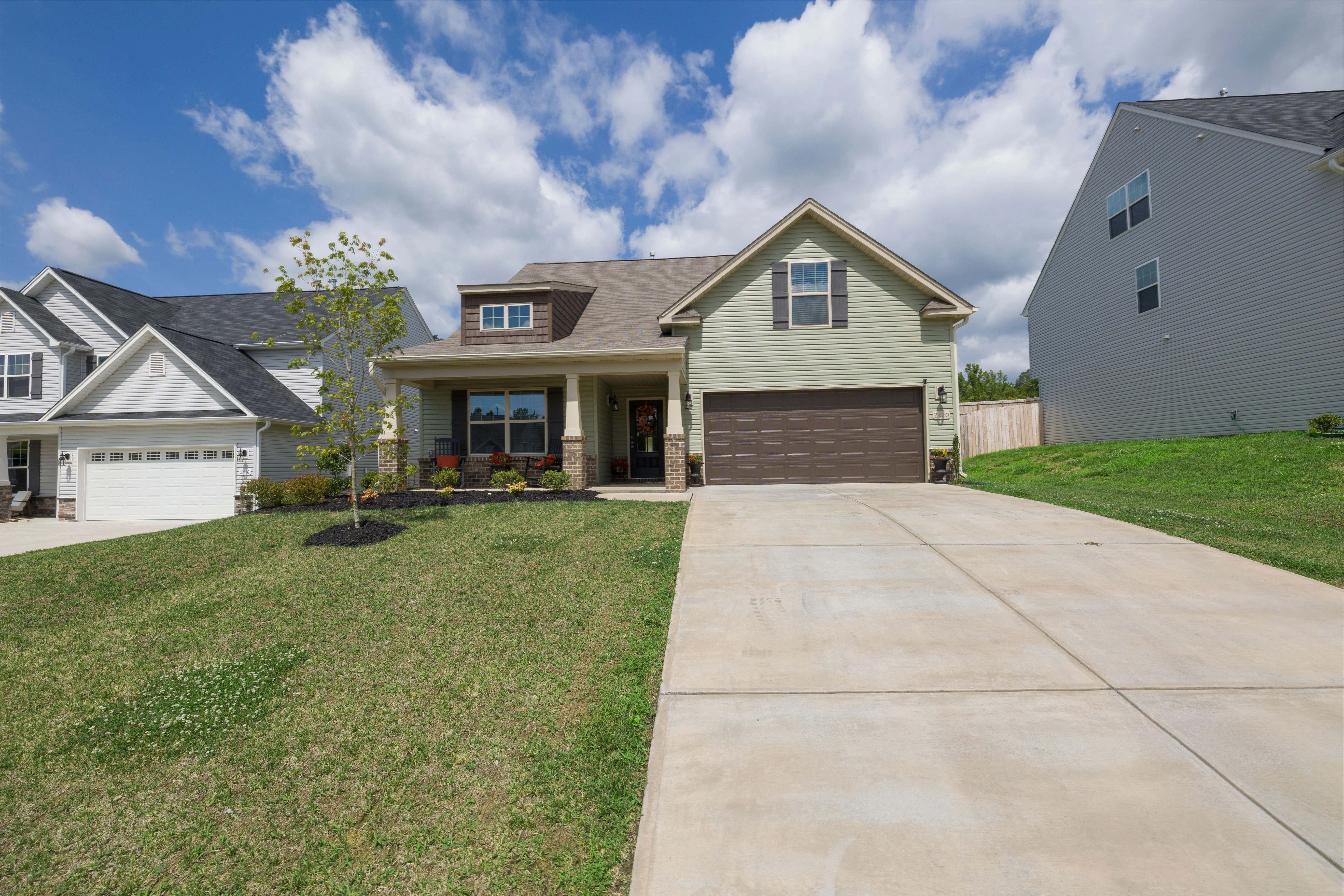
Kenmore's homes carry a median build year around 1984, which puts most garages here squarely in the era of steel sectional doors on extension or early torsion setups, paired with chain-drive openers that have likely been swapped out once or twice already. That's a different animal from the mid-century one-piece doors you'd find in older pockets of the region, and it's different again from the newer builds with insulated doors and belt-drive openers that show up in areas developed after 2000.
With roughly 9,004 households in this area and a median household income of $137,926, we see a fair number of owners who've already put money into upgrading an opener or replacing a door once - the housing stock is old enough for a first replacement cycle but young enough that most of what's here is original hardware from the 80s or 90s rather than anything mid-century. That combination shapes what we bring on the truck when we head your way: parts sized for that generation of door, not for either extreme.
What we find
What the Housing Means for Your Door
A door installed in the mid-1980s is now pushing forty years old, and torsion springs from that era are rated for a set number of cycles that most of them have long since used up. If your door is original to the house, a spring failure isn't a matter of if - it's a matter of when, and when it happens the cable and drum on that side usually need a look too, not just the spring.
Openers from that build window are also aging out. A lot of the chain-drive units installed through the 80s and 90s are still running, but the circuit boards and safety sensors in them are well past their expected service life, and parts for the oldest of those models are getting harder to source. We'll tell you straight when a repair still makes sense and when you're better off putting the money toward a new opener instead of chasing parts for one that's been discontinued.
The region sits in a mild climate with occasional freeze, which is easier on garage door hardware than harsher climates, but forty-year-old steel and forty-year-old springs don't get a pass just because the winters are gentle.
How we work
Old Streets and New Ones
Because the median build year here sits right around 1984, you'll find a fairly consistent generation of doors block to block rather than a mix of very old and very new. That consistency actually helps us - when we know a street was built in that window, we have a good guess at the spring size, the track style, and the opener brand before we even open the garage.
Where it gets less predictable is on any newer infill construction or a lot that was rebuilt more recently, which will carry different hardware entirely - insulated doors, belt-drive openers, safety sensors built to a newer code. We don't have a breakdown of exactly which streets fall into which category, so we ask a few questions on the phone before we quote anything, rather than assuming every house in Kenmore matches the 1984 median.
 44 areas covered
Service areas
Other areas we cover near Kenmore
Questions
Common questions
Do you have a location in Kenmore?
No, we operate out of Renton, about 19 miles south, and travel to Kenmore for scheduled jobs. We don't keep a depot or a truck stationed here, so we're upfront about drive time when we book a call rather than promising an arrival window we can't back up.
Why does my 1980s garage door keep breaking?
Torsion and extension springs are rated for a set number of open-close cycles, and a door installed when Kenmore's housing stock was going up in the 80s has likely used up that rating by now. Once a spring goes, the cable and drum on that side often need attention too.
Is it worth repairing an opener from the 1990s?
Sometimes, but not always. Circuit boards and safety sensors in openers from that era are past their expected life, and parts for older models are getting harder to find. We'll tell you honestly when a repair still makes sense versus when a new opener is the better spend.
Does Kenmore's climate affect garage doors much?
This area sits in a mild climate band with occasional freeze, which is easier on hardware than harsher regions see. That said, age matters more than weather here - forty-year-old steel and springs wear out regardless of how mild the winters are.
Ready when you are
Need a garage door sorted in Renton?
Renton Garage Door Pros repairs and installs garage doors, springs and openers in Renton, WA and the surrounding area.