
Guide
Weather Seals and Draughts on Renton's 1960s-2000s Garage Doors
Renton homes built 1962-2005 use seal styles that dry out under mild, wet-freeze cycling. Here's what actually fails on this housing stock, season by season.
Local detail
Season by Season
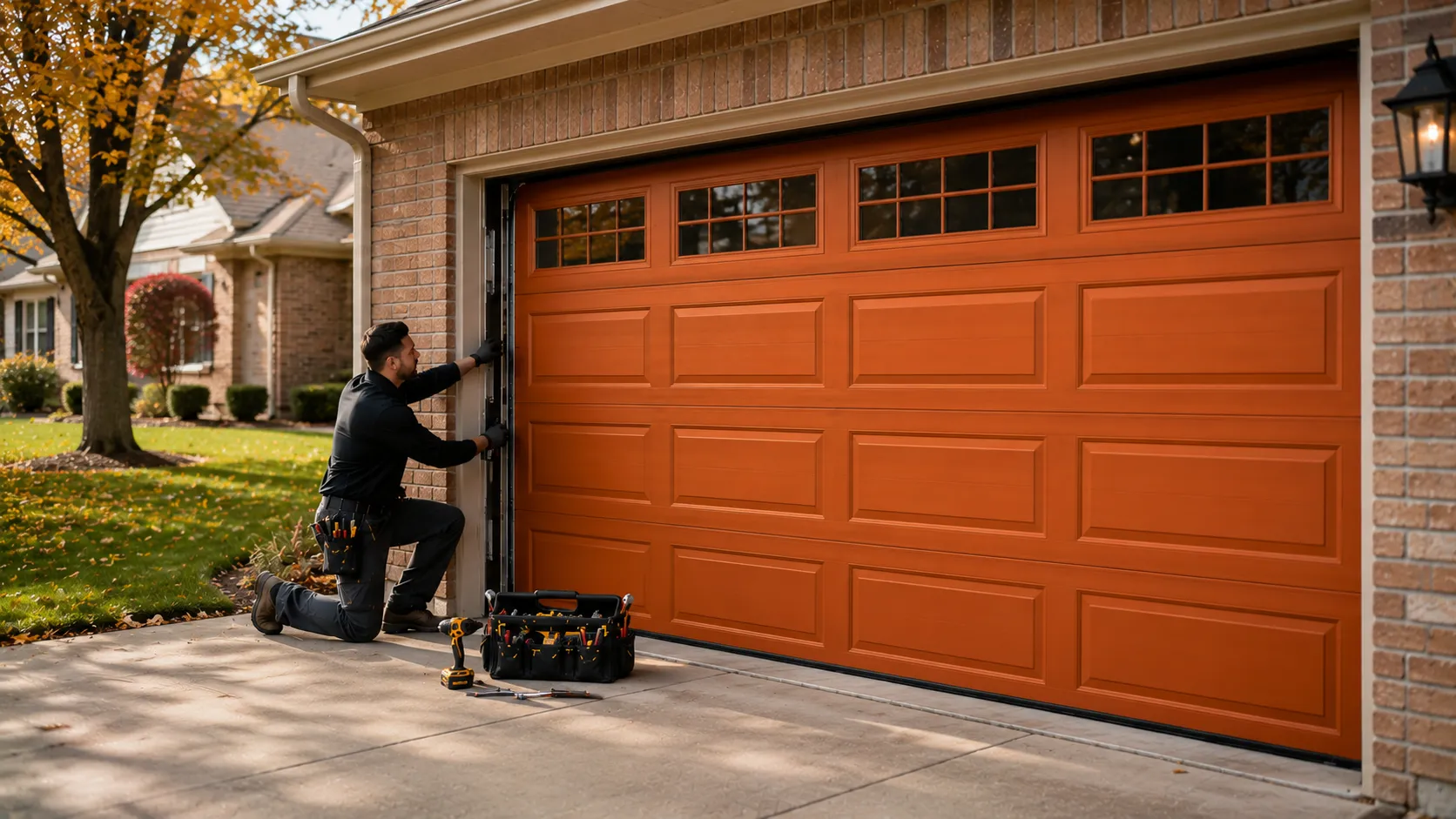
Renton doesn't get the deep freezes that crack concrete slabs, but the climate here still runs mild with occasional freeze, which is a different kind of wear than a true cold-winter town. Wet fall and winter months soak into bottom seals daily, then a cold snap stiffens the rubber overnight. That cycle - wet, then brief cold, then mild again - is what actually breaks down a seal here, not one hard winter. Spring is when owners notice the draught, because the door's been closed all winter and the gap under it finally shows up as a cold line across the garage floor.
Summer is the forgiving season. Seals relax, gaps close up on their own in the heat, and a door that whistled in January can seem fine by July. That's exactly why people put off fixing it - the problem hides for half the year. If your seal looks fine in August, that tells you nothing about how it'll sit in February.
We don't see much call for insulated seal upgrades purely for cold - this area's winters aren't harsh enough to justify that cost on their own. The case for new weatherstripping here is about keeping wind-driven rain and standing water out of the garage floor, not about heat loss.
The area
The Situation
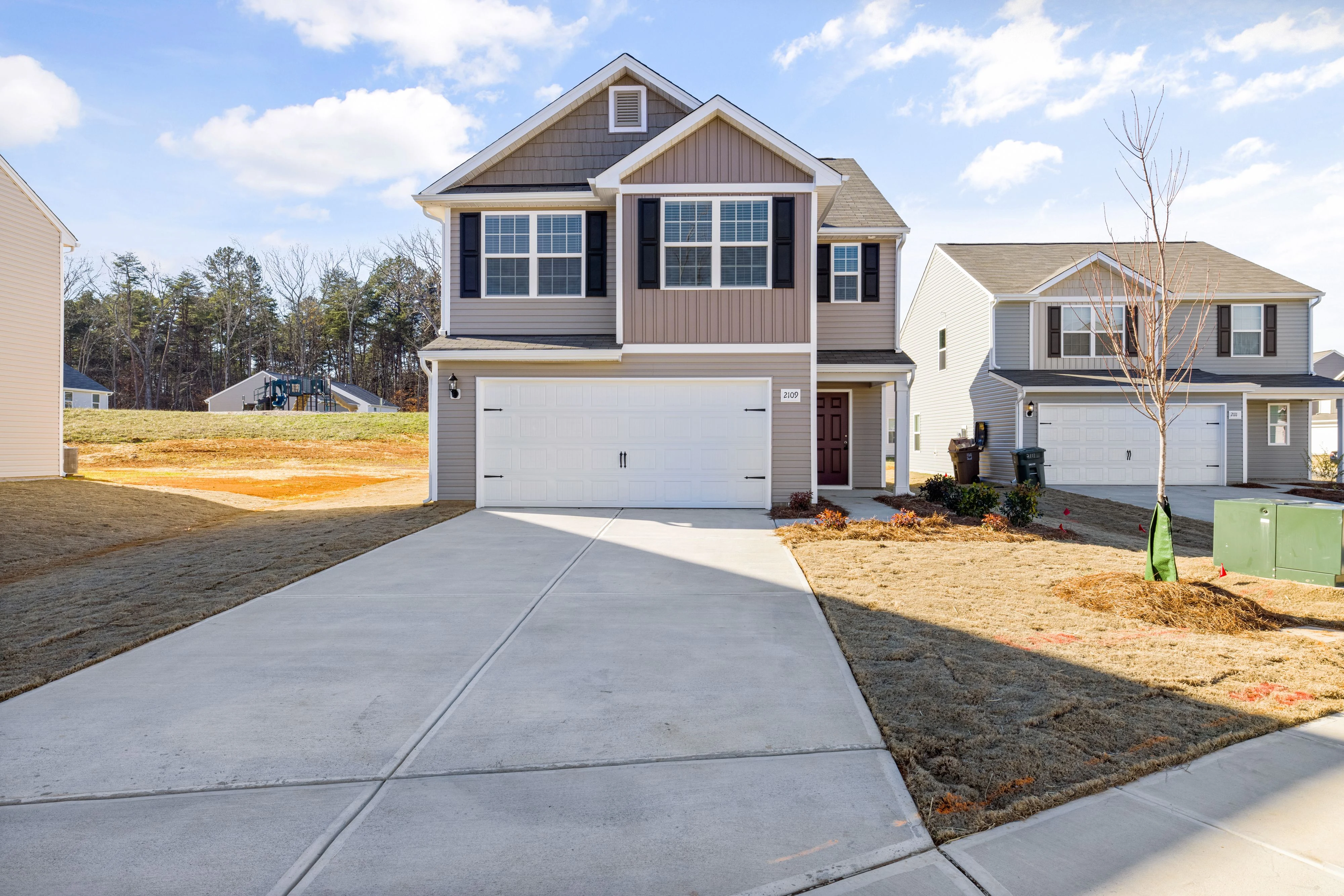
Housing across this service area was mostly built between 1962 and 2005, with a median build year around 1984, and most of the 44 named areas we cover - from Bryn Mawr-Skyway two miles off to Fairwood and Newcastle nearby - carry that same 1980s-90s stock. Doors and tracks installed on houses from that era are original in a lot of cases, and the bottom seal channel on a door that age is often the narrower aluminum retainer style, not the wider vinyl-track retainer you'd find on anything built after the 2000s.
That narrower channel matters because the replacement seal has to match it. A seal bought off the shelf at the wrong width will sit loose in the track and pull free within a season, which is a common callback we see on houses in this build range.
What we find
What Most People Get Wrong
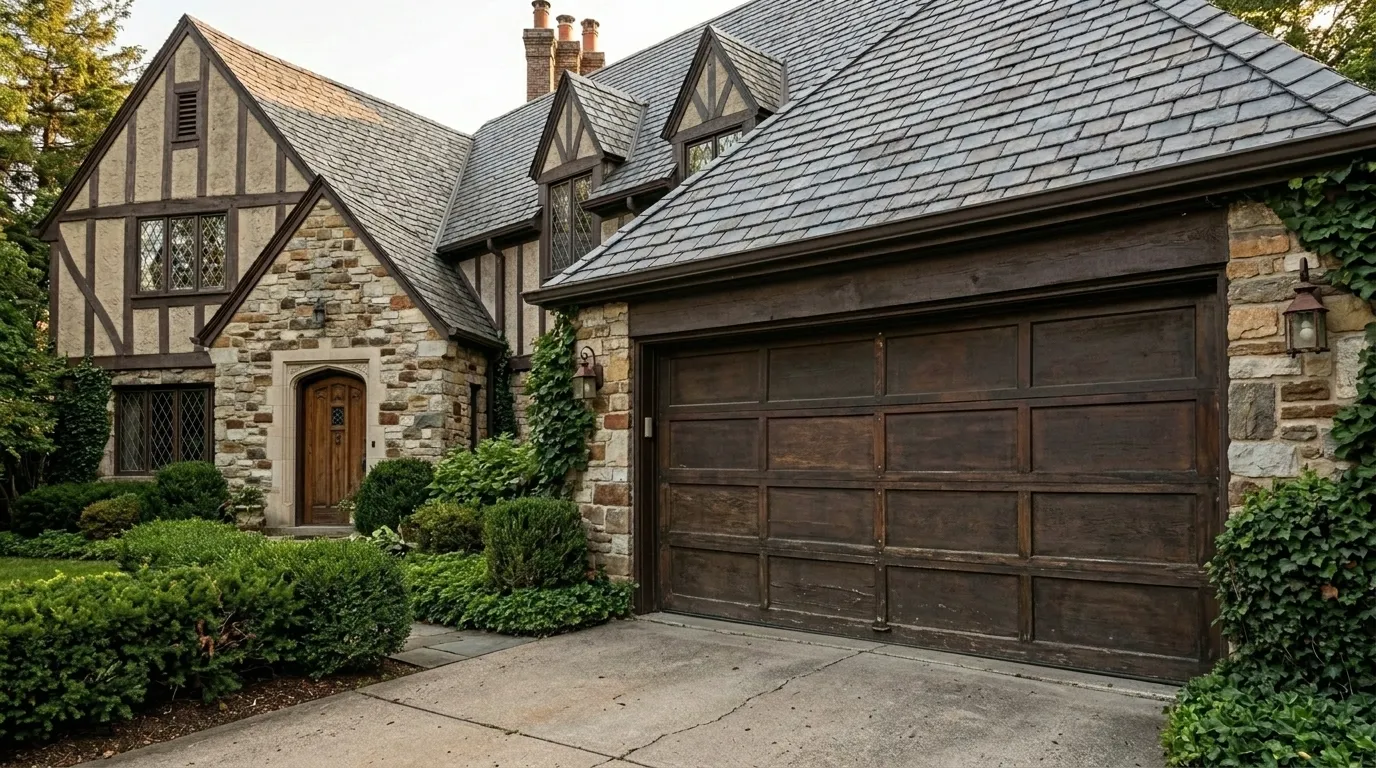
The most common mistake is treating the door panel bottom edge and the seal as the same problem. On a house from the 1962-2005 build window, the aluminum retainer track itself is often bent or rusted from decades of ground moisture, and a new seal pushed into a bent track will still leak, no matter how new the rubber is. People replace the seal, feel the draught in the next wet stretch, and assume the new part was bad.
The other mistake is sealing only the bottom and ignoring the side and top jamb seals, which dry out and shrink at a different rate than the bottom because they don't sit in standing water the way the bottom does. On original hardware from this era, all three should be checked together, not one at a time.
How we work
What Local Conditions Do
Mild-with-freeze conditions are hard on rubber in a specific way: it's the freeze-thaw cycling, not sustained cold, that cracks a seal from the inside out. A seal that's been wet for days, then hits one overnight freeze, then thaws again the next afternoon, works harder than a seal in a place that just stays cold from November to March. That's the pattern here, and it's why seals on original 1980s-90s doors in this area often look intact from a distance but crack the moment you flex them.
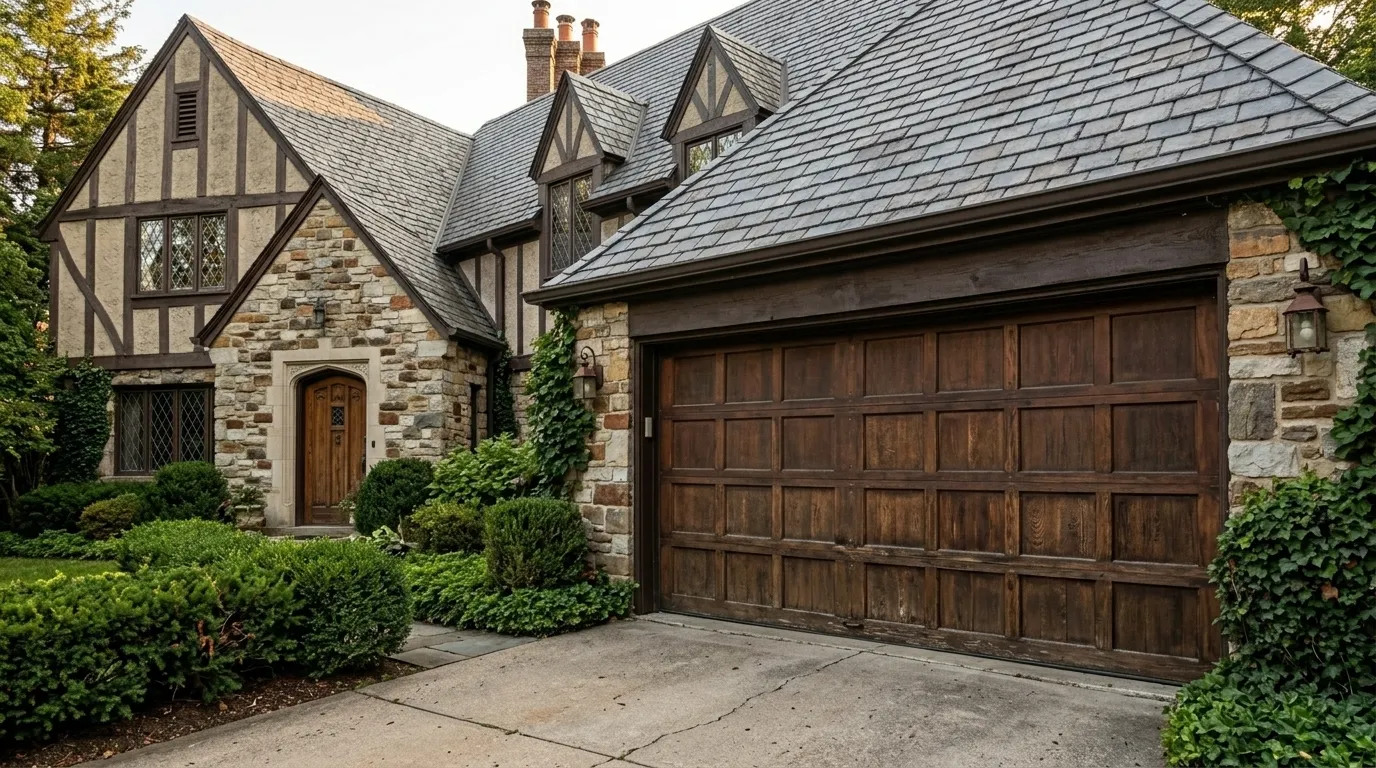
We'll say plainly: if the retainer track is bent or badly rusted, a seal alone won't fix the draught, and replacing the track is worth doing before you spend money on rubber that won't hold. That's not a job we push people into when the seal is the real issue - we check the track first.
Questions
Common questions
Why does my garage door only draught in winter, not summer?
Rubber seals contract in the cold and relax in the heat. In this mild-with-freeze climate, the seal that looks fine in July can pull away from the floor by January once temperatures dip and rain works into the gap. It's the same seal, just behaving differently across the seasonal swing.
Is my seal track original if my house was built in the 1980s?
Very likely, since most housing across this area went up between 1962 and 2005 with a median build year around 1984. Original aluminum retainer tracks from that period are narrower than what's standard now, so a modern wide seal often won't seat properly without a track swap.
Do I need an insulated seal for winter here?
Probably not for heat loss alone - this area's winters are mild with only occasional freeze, not the deep cold that makes insulated seals pay off. The better reason to upgrade is keeping wind-driven rain out of the garage floor during wet months.
Ready when you are
Need a garage door sorted in Renton?
Renton Garage Door Pros repairs and installs garage doors, springs and openers in Renton, WA and the surrounding area.