
Guide
What Actually Happens During a Garage Door Service Call in Renton
See what a Renton Garage Door Pros service call covers for 1960s-2000s Renton homes, mild Pacific Northwest climate, and torsion or extension spring systems.
Local detail
Season by Season
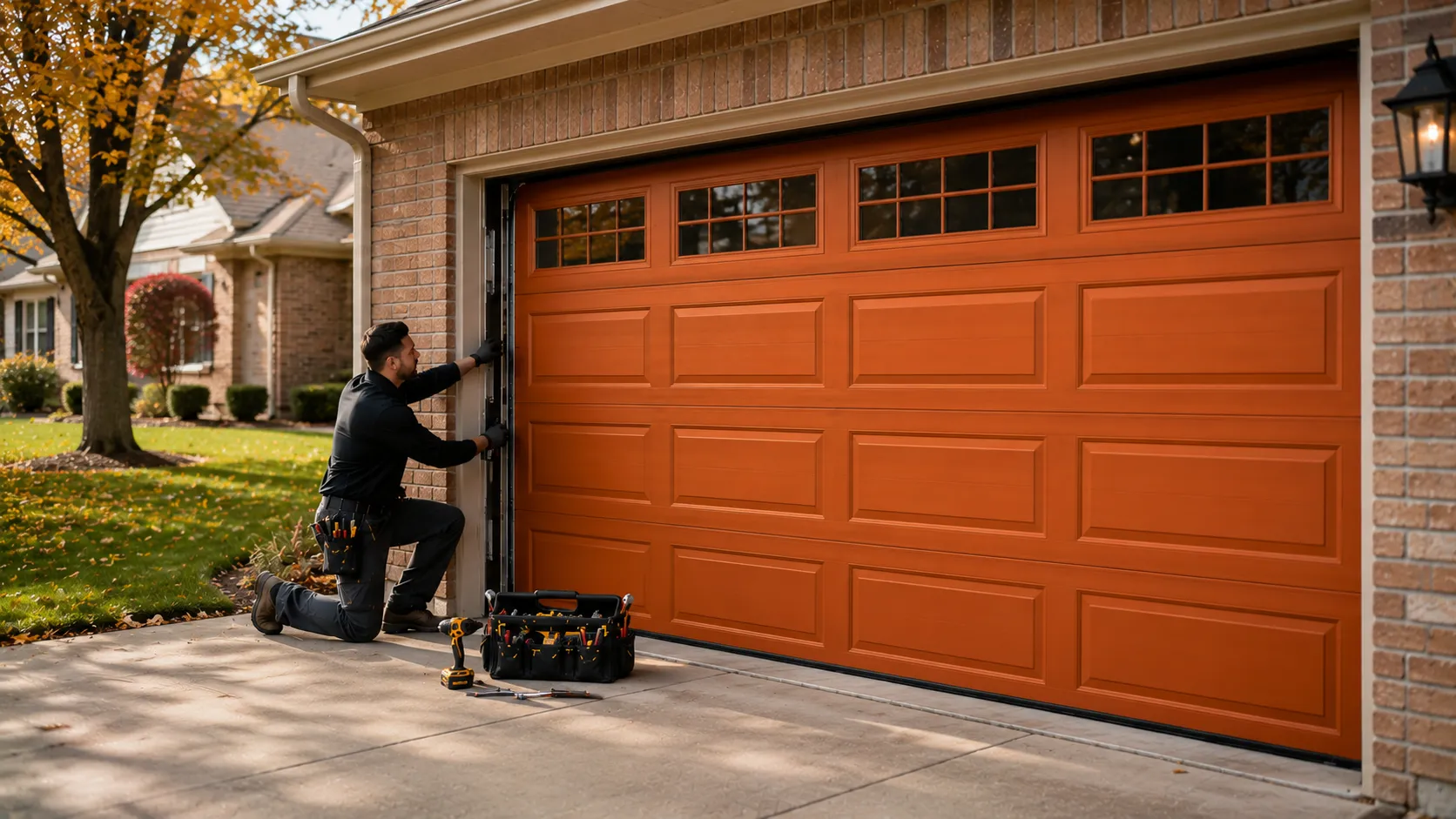
Renton sits in a mild climate band, but it isn't a climate that leaves your door alone all year. We still get stretches of freeze in the coldest weeks, and that matters more than people expect for a garage door. Cold-stiffened grease slows a torsion spring's wind and unwind, so a door that closed fine in September starts dragging or reversing itself in January. Wet weeks swell wood-trim jambs and can throw the door out of square against the track, which shows up as a roller grinding on one side only.
A proper service call in this climate checks lubrication state before touching the spring tension, because a spring that looks weak is sometimes just a spring that's gummed up. We also check weatherstrip and the bottom seal, since moisture intrusion at the threshold is a slower, quieter failure than a snapped cable, but it rots a wood-composite panel bottom over a couple of seasons if it's ignored. None of this is dramatic weather. It's mild-with-some-freeze, repeated every year, wearing on the same parts in the same order.
The area
The Situation
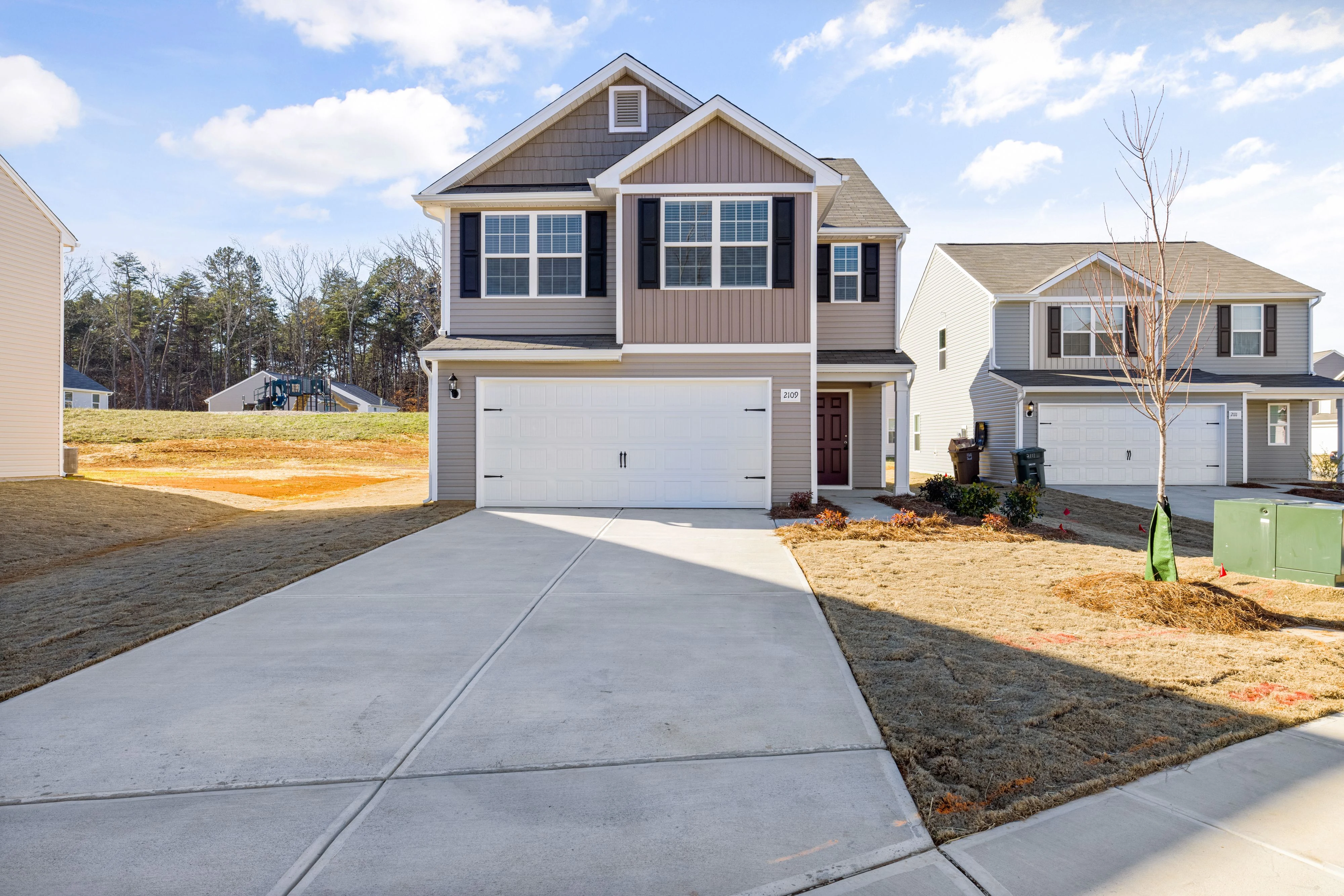
Housing across this service area was mostly built between 1962 and 2005, with the median build year landing around 1984. That's a long stretch, but it clusters hard in the 1980s and 90s across the 44 named areas that make up the region, from Bryn Mawr-Skyway two miles out to Fairwood at three and East Renton Highlands at five. That means a lot of the doors we're called to are original or first-replacement units on hardware that was standard for that building period: torsion springs sized for lighter steel sections, chain-drive openers from before belt drives were common, and galvanized track that's now 20 to 40 years old depending on the block.
With 213,261 households and 118,318 owner-occupied houses across the area, that's a large base of homes hitting the same age-related failure points around the same time. A service call here isn't guessing at what's behind the wall. It's usually confirming which stage of that builder-era hardware is failing and whether it's worth repairing or past that point.
What we find
What Most People Get Wrong
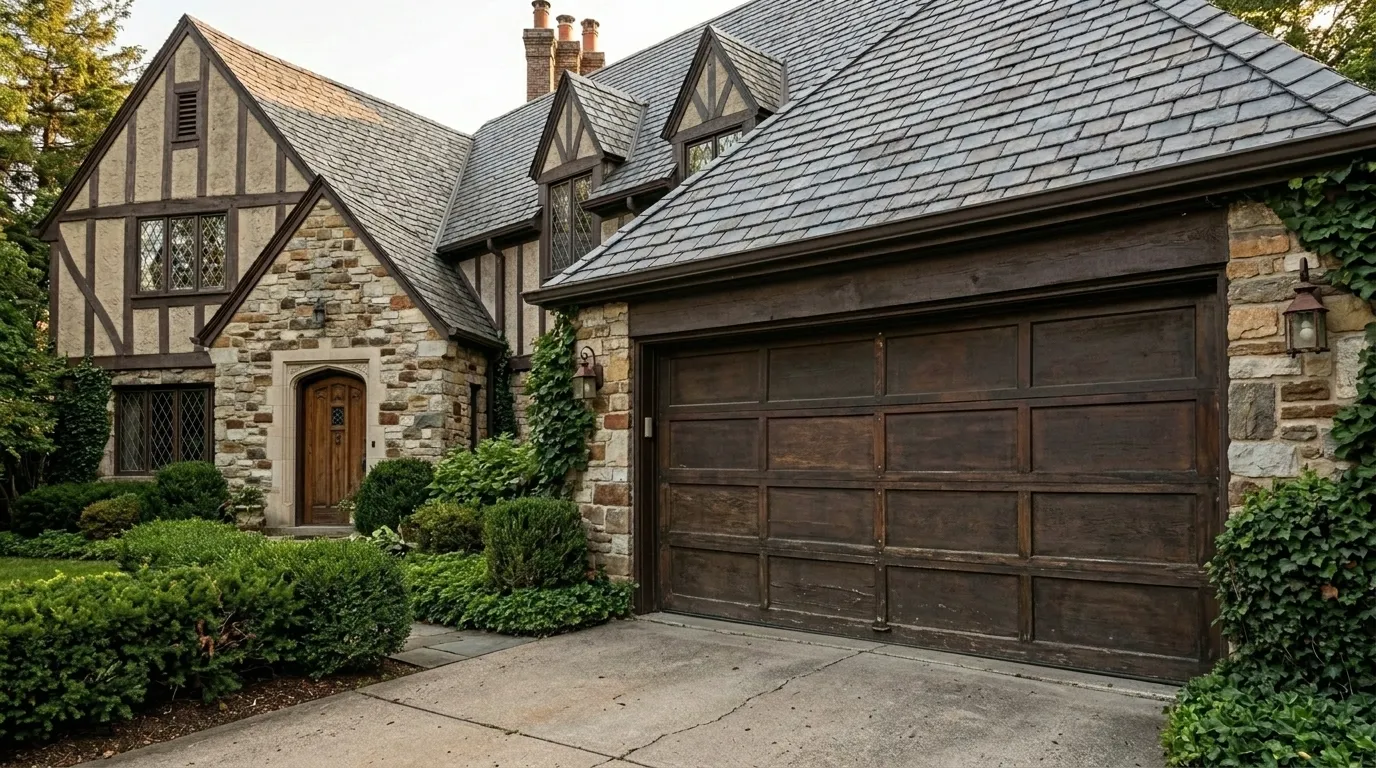
The most common mistake is assuming a noisy door means a dying opener. In houses from this build era, the opener is often the newest part on the whole assembly, since it's the piece most likely to have been swapped once already. The track, springs, and hinges are more likely to be original. A service call has to separate opener noise from spring or roller noise, and that's not always obvious from inside the house.
The second mistake is treating a working remote as proof the safety system is fine. Photo-eye sensors and auto-reverse were added to code well after a lot of this area's housing stock went up, which means older openers may have been retrofitted rather than built with it. We check that separately from whether the door opens and closes on command.
Here's the honest limit: if a spring has already broken and warped the track on its way down, that's not a lubrication-and-adjust visit anymore. We'll tell you when it's a track and hardware replacement, not a repair, rather than patch something that'll fail again in a month.
How we work
What Local Conditions Do
Put the housing age and the climate together and you get a specific, repeatable pattern instead of a generic checklist. A median 1984 build year means most torsion springs in this area are on their second or third cycle of expected life, and a mild-with-freeze climate means the failure usually shows up as a stiff, slow-closing door in a cold snap before it shows up as a full snap. That's the order we check things in: cycle count and age first, weather-related stiffness second, hardware wear third.
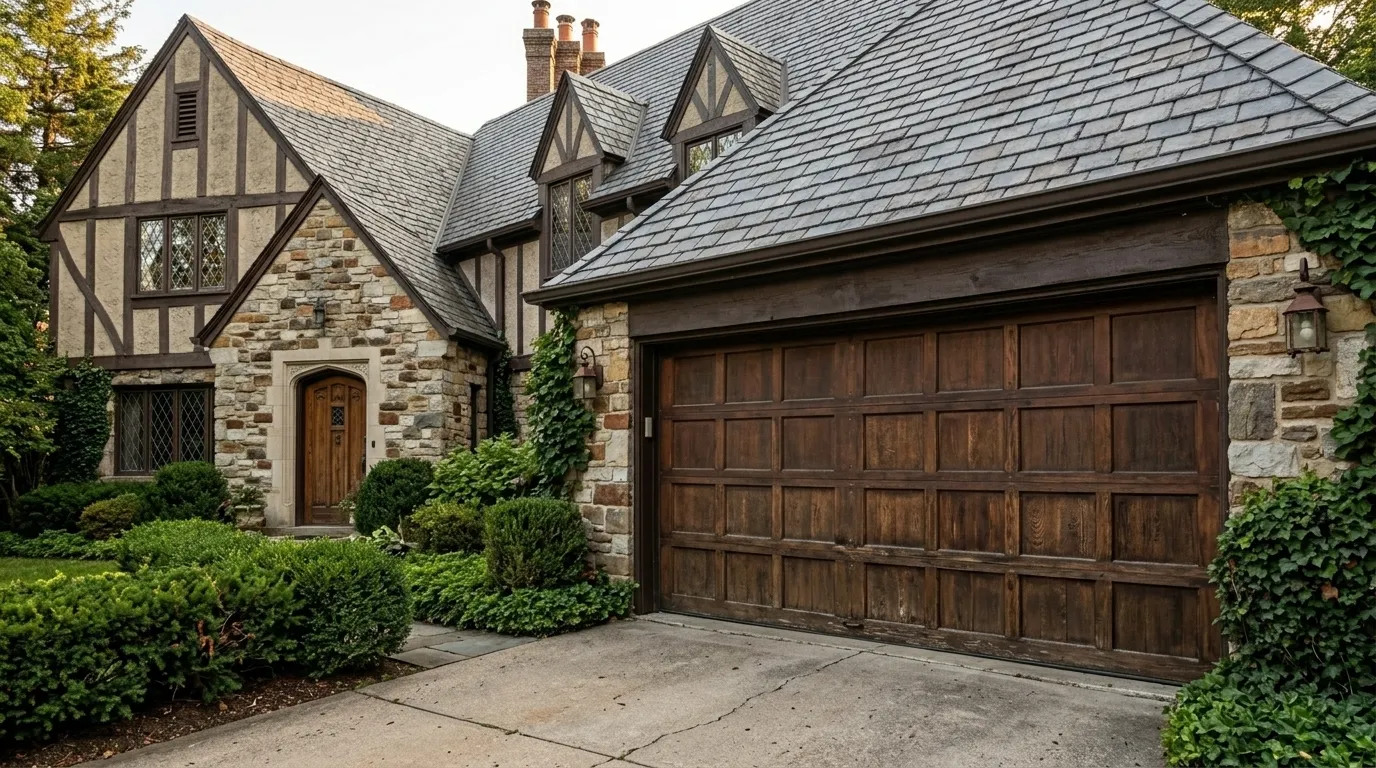
A household income median of $131,283 across the service area also shapes what a service call turns into. More often than not, once we're in and the opener is confirmed original to a 1980s or 90s installation, the homeowner chooses replacement over continuing to repair a unit that's outlived its rated cycles, rather than stretching it another year. That's a call we lay out plainly, not one we push either direction on.
Questions
Common questions
Does a service call include checking the springs, or just the opener?
Both. Given how much of this area's housing dates to the 1962-2005 build window, a spring check is standard on every call, not an add-on. We test tension and cycle wear on torsion or extension springs before we look at the opener, since spring condition affects how hard the opener has to work.
Will cold weather actually affect my garage door here?
Yes, more than people expect for a mild climate. Renton still sees freeze periods, and cold-stiffened lubricant on an older spring or track is a common cause of slow or reversing doors in winter. It's one of the first things we check on a winter service call.
How do you decide between repair and replacement?
Age and damage extent. A door with a broken spring but a straight track is usually a repair. A door where the spring failure has bent or twisted the track, common on original 1980s-90s hardware, is usually a replacement call, and we'll tell you which one you're looking at before doing the work.
Ready when you are
Need a garage door sorted in Renton?
Renton Garage Door Pros repairs and installs garage doors, springs and openers in Renton, WA and the surrounding area.